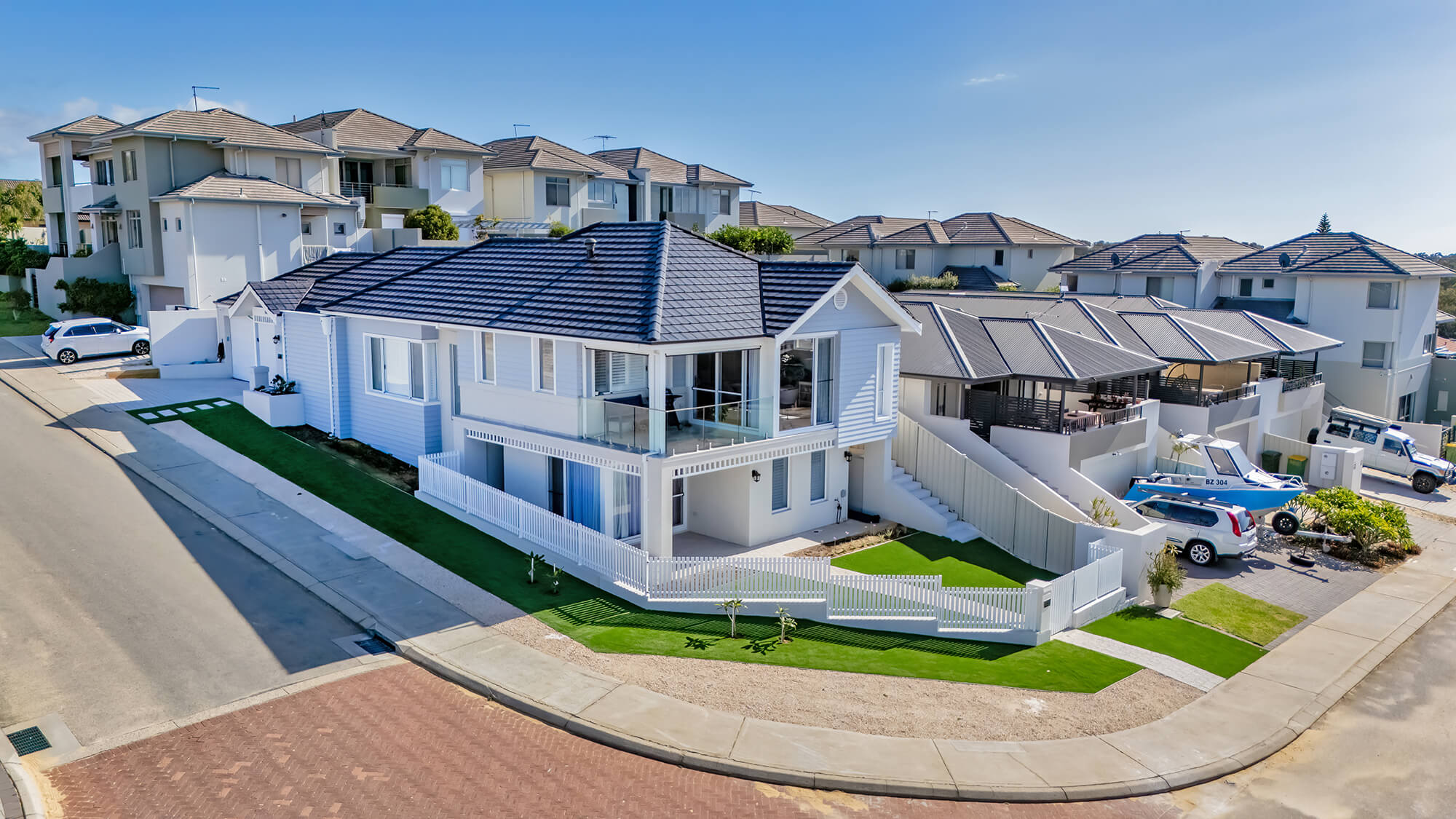
The quick version:
- The best balcony design ideas feel connected to the home from the beginning, with flooring, glazing, materials, and ceiling heights working together as a single design approach.
- Balcony orientation plays a major role in comfort and usability in WA, particularly on coastal and waterfront sites exposed to afternoon sun and prevailing winds.
- Small balcony design ideas rely on restraint — correctly scaled furniture, frameless glass balustrades, vertical greenery, and material continuity often create the strongest results.
- Enclosed balcony ideas extend year-round usability while improving privacy, weather protection, and flexibility for outdoor entertaining.
- Luxury balcony finishes are defined by cohesion rather than excess, with stone paving, layered lighting, frameless glass, and integrated outdoor kitchens selected as part of a broader architectural palette.
Most balconies are treated as an afterthought — a door opening resolved, a railing specified, a few metres of tile laid. It works, but it’s a long way from what a balcony can become when it’s considered properly from the beginning.
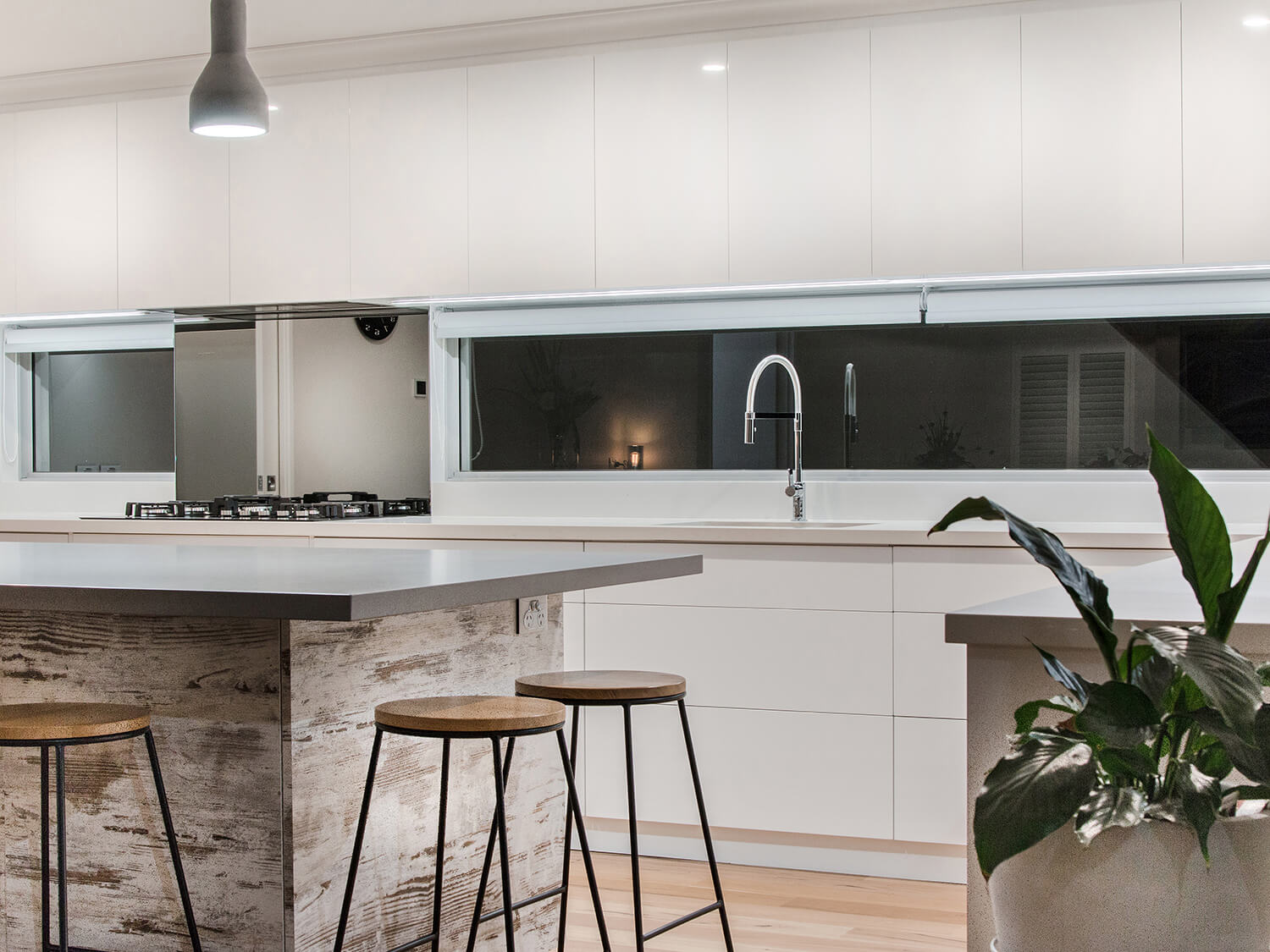
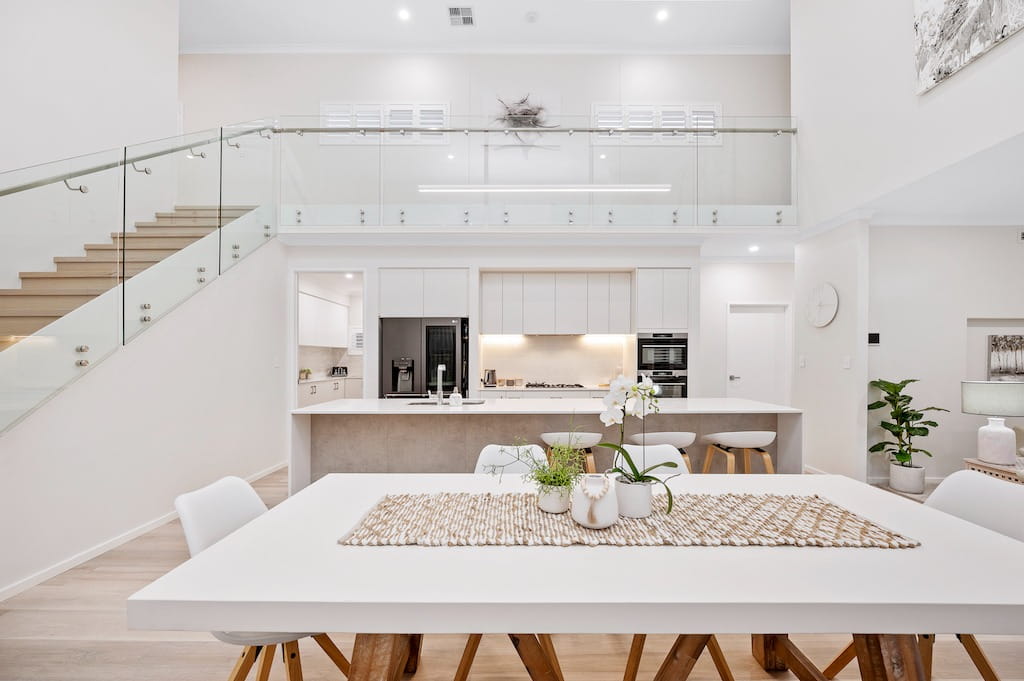
When outdoor spaces are designed as part of the home rather than appended to it, the result feels completely different to live in. The flooring continues naturally from inside to out. The ceiling height remains consistent. The glazing opens fully without interrupting the view. None of these outcomes happen by accident — they come from early design decisions made well.
This article explores balcony design ideas suited to WA’s outdoor lifestyle, from coastal alfrescos and enclosed balconies through to small balcony design ideas and luxury finishes that elevate the space beyond the standard outdoor setup.
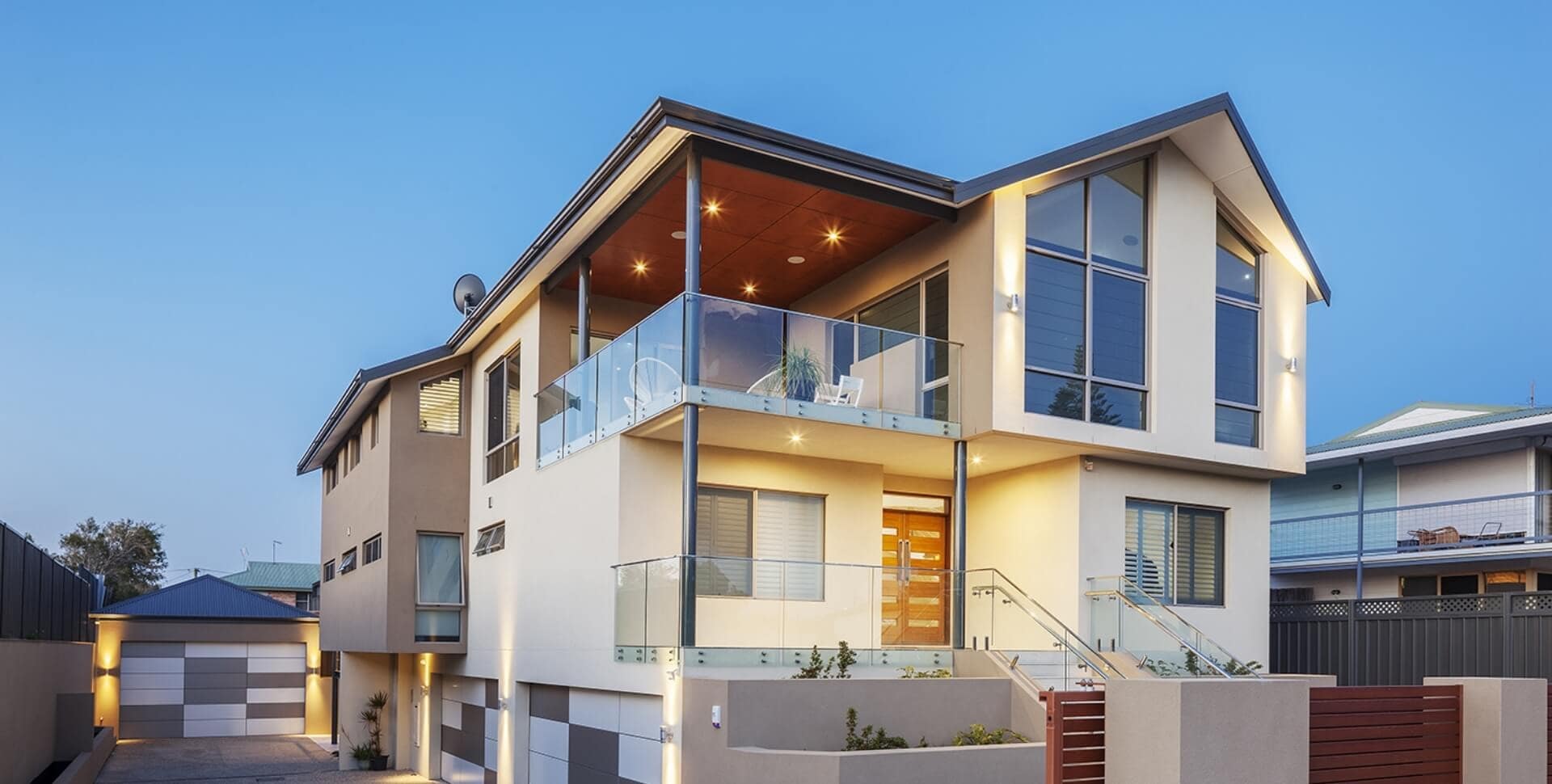
Why your balcony deserves more than an afterthought
The homes that achieve effortless indoor-outdoor living usually share one thing in common: the transition was considered from the beginning, not added once the floor plan was already resolved.
When the alfresco, kitchen, and living areas are designed as a single experience — with coordinated flooring, ceiling heights, and glazing — the boundary between inside and out begins to disappear. The interior extends naturally outdoors.
Designing indoor-outdoor living as one experience
The most successful balcony and alfresco spaces feel intentional rather than separate from the rest of the home.
Planning the layout, openings, materials, and sightlines together allows each area to complement the next, creating homes that feel lighter, more open, and more connected to their surroundings.
Balcony orientation matters in WA homes
Orientation plays a major role in how comfortable a balcony feels throughout the year.
A north or northwest-facing balcony works naturally with WA’s sun path, bringing warmth during winter while allowing properly designed eaves to provide shade in summer. West-facing balconies capture the sunsets and coastal views that define many of the state’s most desirable homes, but they also require more considered shading or enclosure strategies.
Material consistency creates a more refined feel
Material selection is just as important as layout.
Using the same stone, complementary timber tones, or a consistent lighting palette across indoor and outdoor areas creates a calmer and more cohesive atmosphere. Much of the luxury in a home comes from this sense of visual continuity — where proportion, materials, and transitions feel intentional rather than disconnected.
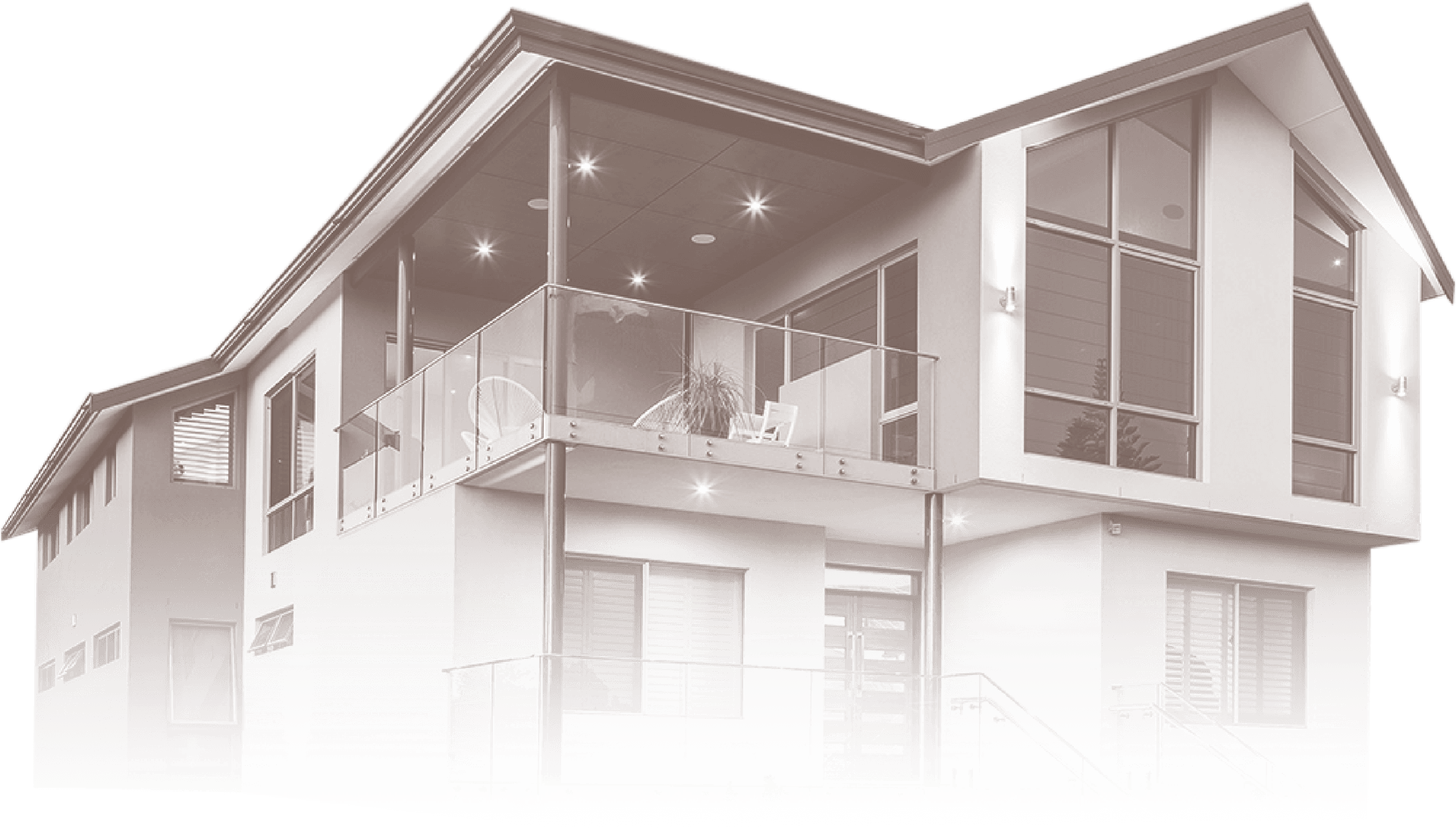
In three-storey homes, especially, upper-level balconies should feel just as considered as ground-floor alfresco spaces.
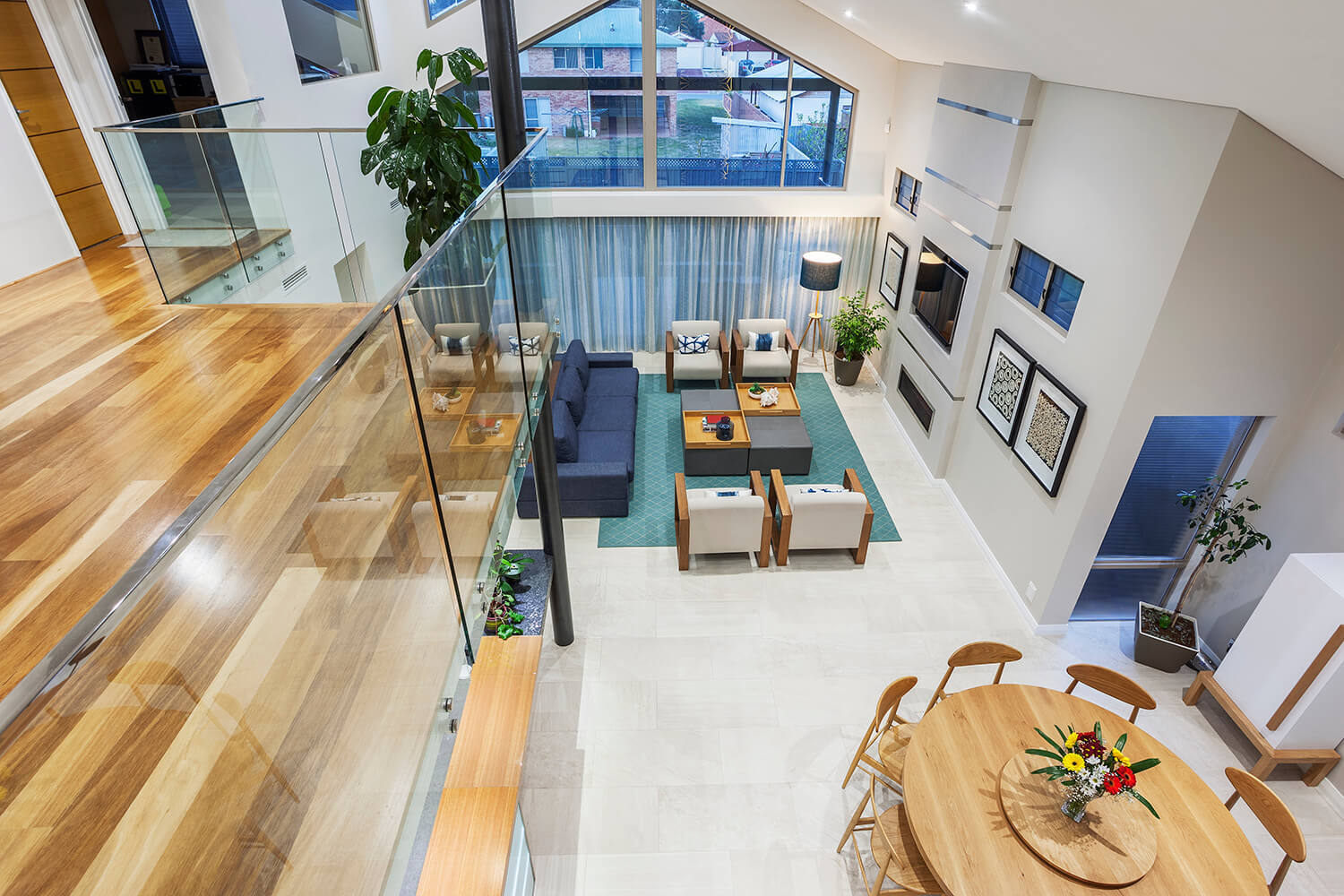
Balcony design ideas to inspire your next build
The right balcony design depends on your block, orientation, floor plan, and the way you use outdoor space. These are the balcony ideas best suited to WA living and the custom homes designed around it.
Coastal open-air alfresco
Timber or composite decking, frameless glass balustrades, and a louvred or pergola roof that encourages airflow rather than blocking it. Positioned on a north-facing upper floor with a direct connection to the kitchen and living area, this layout naturally suits WA’s climate and outdoor lifestyle.
In many cases, the orientation and indoor-outdoor connection do most of the work.
Enclosed glass balcony
A combination of louvres, stacker doors, or bi-fold panels creates a balcony that can open fully in good weather and close comfortably when conditions change.
Different enclosure systems create very different outcomes:
- Louvres maintain airflow even when partially closed
- Stacker doors create wider, uninterrupted openings
- Bi-fold systems provide a cleaner visual line when fully opened
- Integrated screening improves privacy on tighter blocks
This approach works particularly well on waterfront or west-facing lots where wind and afternoon sun can affect year-round usability.
Alfresco dining deck
Designed around entertaining, this configuration centres on a strong connection between the kitchen and outdoor living area.
Common inclusions include:
- Built-in outdoor kitchens
- Stone benchtops and integrated barbecues
- Dining settings for eight to ten guests
- Pendant or festoon lighting
- Concealed storage and preparation areas
For upper-floor living layouts, few balcony design ideas add more day-to-day value. Gas, drainage, and power are best planned during construction, as retrofitting them later is significantly more disruptive and expensive.
Juliet balcony
French doors opening onto a narrow platform create a balcony with minimal footprint but significant architectural presence.
Juliet balconies prioritise light, airflow, and visual openness over outdoor living space. Frameless glass balustrades help maintain clean sightlines while keeping the façade visually light.
Rooftop terrace
Best suited to two-storey and three-storey homes, rooftop terraces place the focus firmly on the outlook.
A restrained material palette, clean architectural lines, and a simple louvred roof are often all that’s needed. When the position is exceptional, the design works best when it complements the setting rather than competing with it.
Integrated garden balcony
Built-in greenery softens hard architectural lines and helps outdoor spaces feel calmer and more established.
A well-designed garden balcony may include:
- Integrated planter boxes
- Vertical climbing systems
- Automated irrigation
- Layered planting for privacy and shade
- Low-maintenance species suited to WA conditions
This style works especially well on north-facing balconies with consistent natural light and homes with a modern, minimal material palette.
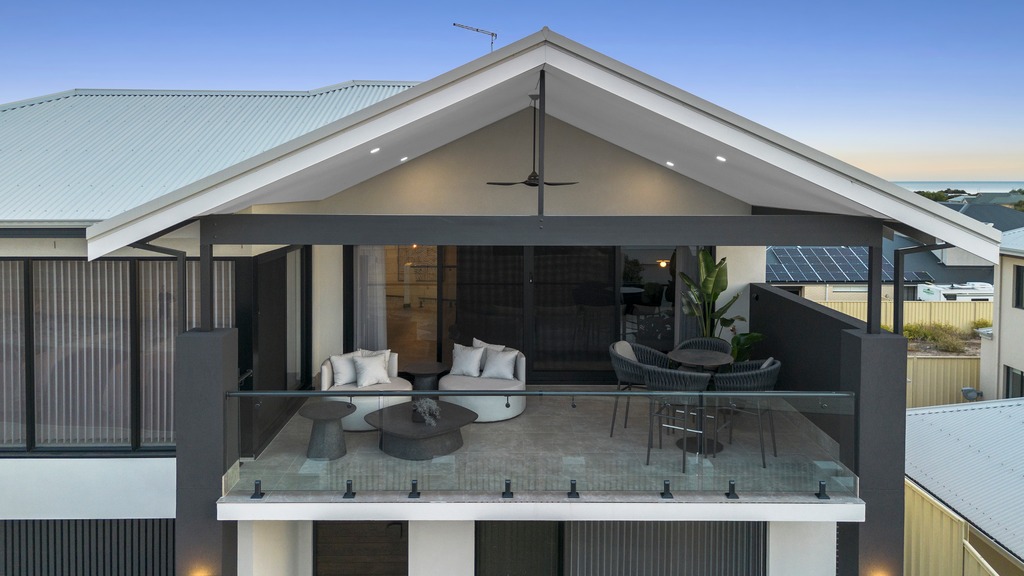
Small balcony design ideas that feel anything but
A compact upper-floor balcony presents a familiar set of home design questions — and most of the solutions are best addressed before construction is complete.
Floor tile continuity
When the same flooring runs from the interior through to the balcony without a threshold strip or level change, both areas read as part of a single space. The visual boundary softens, making the home feel larger and more open.
Contrasting flooring at the doorway often separates the two spaces visually, making both feel smaller.
Furniture scale
The most common mistake on compact balconies is oversizing the furniture.
A full outdoor setting may technically fit while leaving little room to move comfortably. Smaller, better-proportioned pieces usually work far better:
- Built-in bench seating with concealed storage
- Slim-profile chairs
- Compact bistro settings
- Nesting or movable side tables
The goal is to preserve openness rather than fill every available corner.
Balustrade choice
Frameless glass balustrades keep sightlines open and allow natural light to move freely through the space.
On blocks where the outlook is a defining feature, solid or heavily framed balustrades can noticeably change the experience from a seated position. While frameless systems cost more, the improvement in openness, light, and day-to-day enjoyment is equally noticeable over time.
Beyond those core decisions, restraint matters more than excess. Vertical greenery, a limited material palette, and carefully positioned lighting generally create a stronger result than adding too many competing elements.
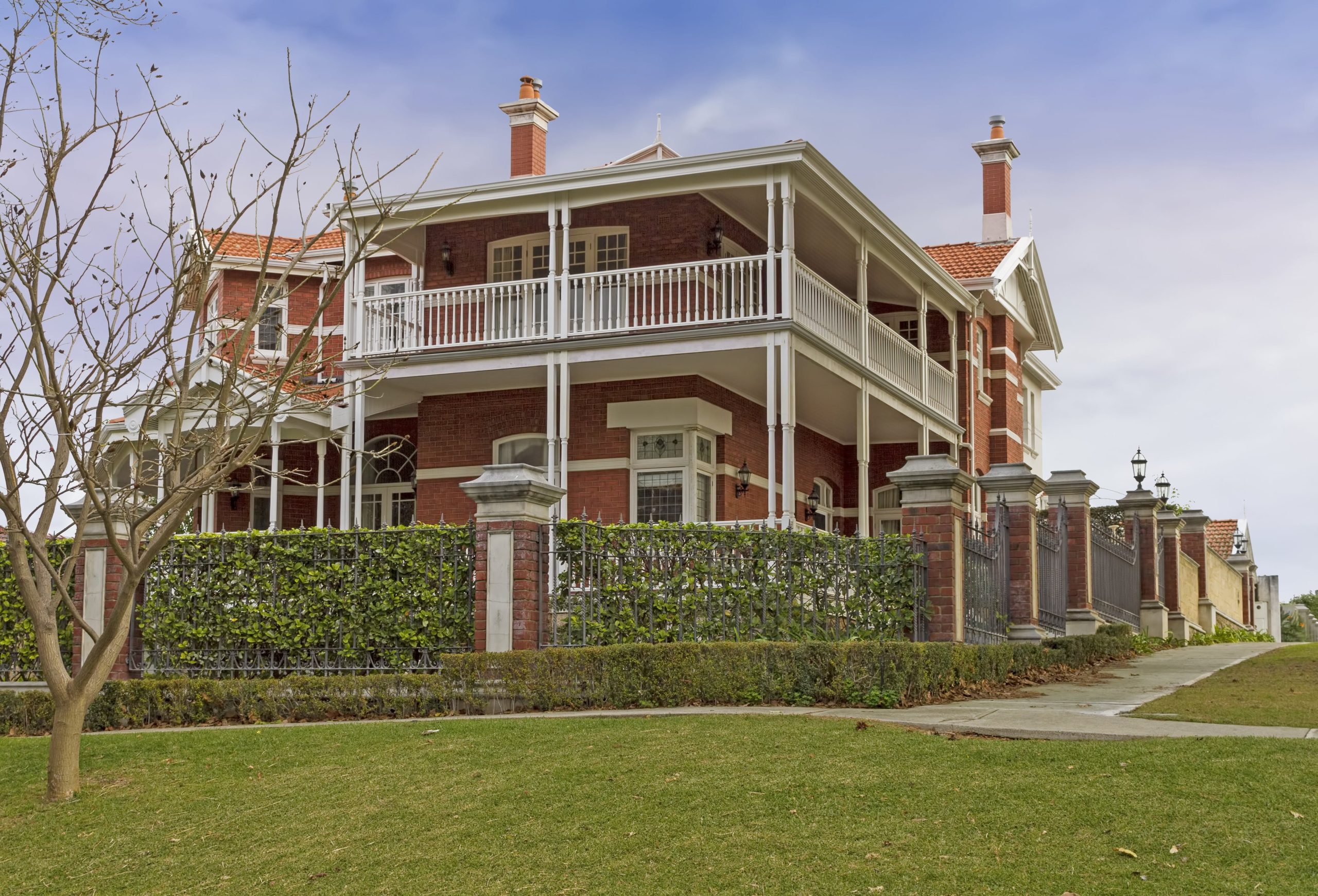
Enclosed balcony ideas: year-round outdoor living in WA
An enclosed balcony sits somewhere between an outdoor deck and an internal room, offering the flexibility to function as either, depending on conditions.
The advantages are especially clear on west-facing and waterfront lots, where wind, glare, and weather exposure can limit comfort throughout the year.
An enclosed system extends usability considerably while preserving views and improving privacy on canal or coastal blocks.
Choosing the right enclosure system
The enclosure system itself has a major impact on how the balcony feels and functions.
Louvred roofs
Designed to open fully in good weather and close automatically when rain arrives. Best suited to balconies where overhead exposure is the main concern and maintaining airflow is a priority.
Stacker and bi-fold door systems
Create wide openings that connect seamlessly to the outdoors while still providing strong weather protection when closed.
Frameless glass panels
Fold away with minimal visible hardware, preserving clean sightlines and uninterrupted views on elevated or waterfront sites.
Planning considerations before construction
Before incorporating an enclosed balcony into a custom build, several considerations are worth resolving early:
- Enclosed balconies that function as habitable rooms may require development approval under the Residential Design Codes WA and local council policies
- Structural allowances for glazing systems and roof loads are easier to address before engineering is finalised
- Ventilation should support the home’s passive cooling strategy rather than work against it
- Drainage, shading, and solar orientation all influence long-term comfort
A well-designed enclosed balcony improves airflow and usability when opened up to the outdoors. Poorly resolved systems can leave the space feeling enclosed and disconnected from the rest of the home.
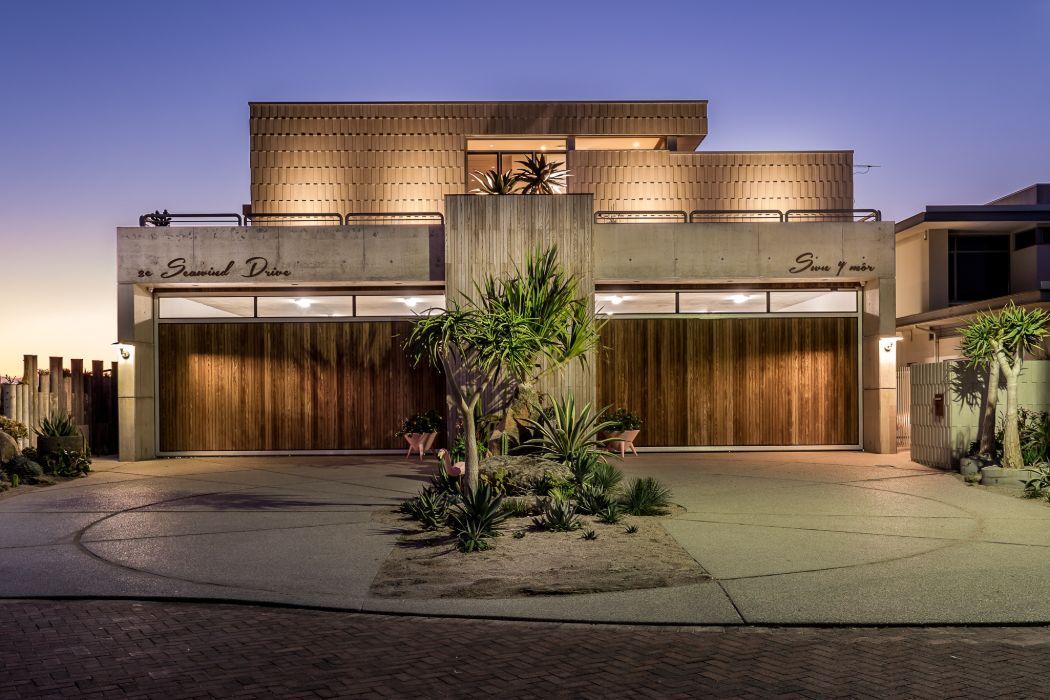
Luxury finishes that elevate any balcony
The finishes that define a premium balcony are usually the same ones that define the rest of a well-designed home: cohesive, restrained, and considered early in the build process.
Flooring
Large-format stone paving in honed travertine or bluestone — or a high-quality engineered alternative — creates a refined foundation for the space, particularly when the tone relates closely to the interior flooring.
Larger tiles with minimal grout lines feel calmer and more architectural, while smaller-format layouts can make even premium materials feel visually busy.
Where warmth and lower maintenance are priorities, quality composite decking is often the stronger option, particularly on coastal sites exposed to salt air.
Balustrades
Frameless glass balustrades maintain open sightlines and preserve the connection between the home and its surroundings.
A 12mm toughened or laminated glass system with minimal hardware generally creates the cleanest outcome. While the investment is higher than framed alternatives, the improvement in light and openness is equally noticeable.
Lighting
Lighting often determines whether a balcony continues to feel refined after dark.
A layered approach generally works best:
- Recessed downlights within the ceiling structure
- Pendants above dining zones
- Low-voltage step lighting at level changes
- dimmable circuits for flexibility throughout the evening
Staying within the same warm lighting range used throughout the interior — typically between 2700K and 3000K — helps maintain consistency and warmth outdoors.
Integrated outdoor kitchen
A built-in outdoor kitchen transforms the balcony into a genuine entertaining zone.
Common inclusions may include:
- Stone benchtops
- Integrated barbecues
- Undermount sinks
- Side burners
- Concealed storage
- Bar fridges or drinks stations
Integrated outdoor kitchens feel more permanent and architecturally resolved than freestanding alternatives, especially when services are planned during construction.
Bring your balcony to life with Makin Homes
The elements that determine how well a balcony performs — orientation, glazing systems, floor levels, and structural allowances — are best resolved early in the design process. When these decisions are considered alongside the broader floor plan, the result feels cohesive, functional, and naturally connected to the way the home is lived in.
Makin Homes builds a maximum of 10 custom homes each year across the Peel region. That limit is intentional. It allows every project to receive genuine design attention, from the overall architectural layout through to the relationship between indoor and outdoor living spaces.
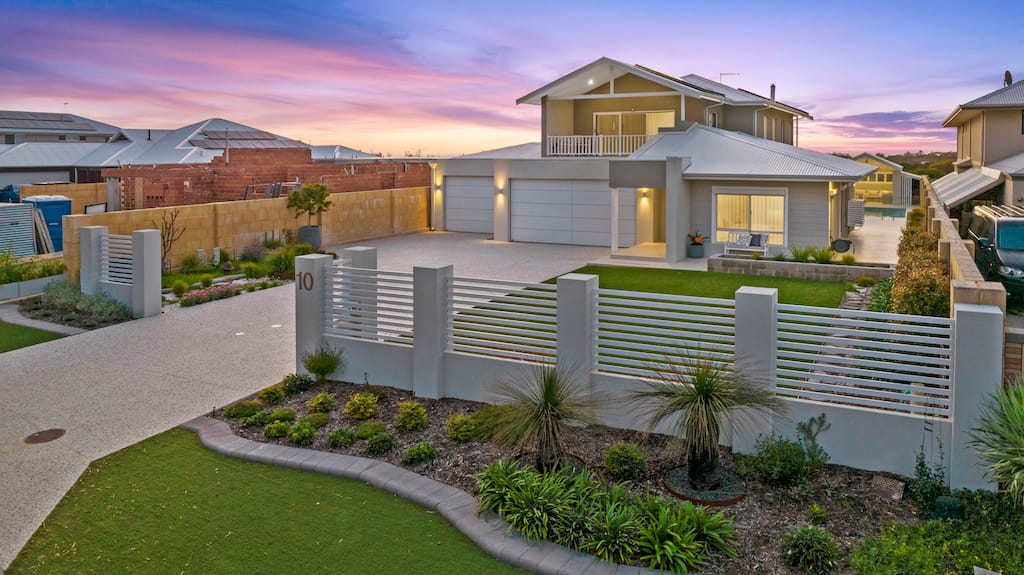
A coastal alfresco on a two-storey home , an enclosed balcony designed for year-round outdoor living, or a rooftop terrace positioned around elevated views all require different architectural responses. In every case, the outdoor spaces are designed as part of the home itself — not treated as secondary additions once the layout has already been resolved.
For further guidance around coastal materials, orientation, and local approval considerations, explore our blog on building a coastal home in Mandurah.
If you’re planning a custom home in WA and want balcony design ideas tailored to your site, lifestyle, and long-term vision, book a consultation with our team.