The quick version:
- A luxurious home is defined by how well its layout, materials and details work together, rather than by individual features. Thoughtful home design considers all of these elements from the beginning for a cohesive end result.
- From bespoke cabinetry down to the smallest light switch, all materials and finishes should be selected as part of a broader palette to ensure consistency and long-term durability throughout the home.
- Layered lighting plays an essential role in shaping a home’s atmosphere, particularly in the transition from day to evening.
- A well-designed home feels intuitive to live in, with indoor and outdoor spaces arranged around daily routines that are still flexible enough to be adjusted as life evolves.
- Simplicity and intention often define the most refined homes, where each element has a clear purpose, and nothing feels unnecessary.
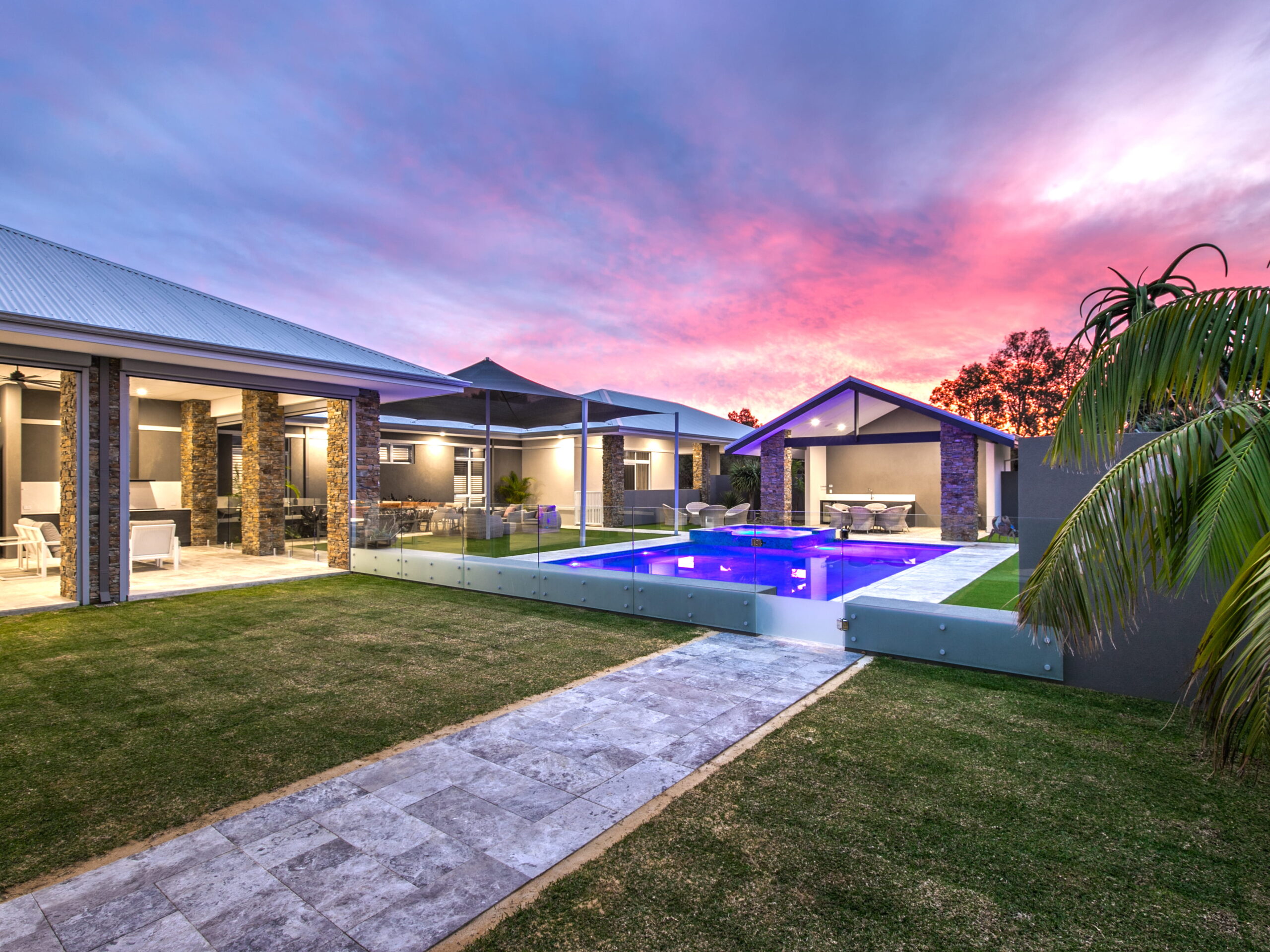
A single feature doesn’t often define a high-end home. Luxury is an overall feeling carried throughout each living space, inside and out, and it’s grounded in intention. Rather than a cookie-cutter approach, bespoke home design tailors every space, from open-plan living areas to tucked-away nooks, to how you actually live.
You can see the difference in homes where decisions on proportion, light and materials have been made early. Movement feels natural, spaces feel balanced and nothing appears out of place. A connection to the outdoors is prioritised. Premium materials and craftsmanship are carried through to every detail. These qualities don’t draw attention to themselves, though they shape how the home is experienced every day.
Understanding how to make your home look luxurious comes back to clarity and restraint, rather than relying on individual features to stand out. Luxury in custom homes is no longer about sheer scale and excess. Instead, it’s about personalisation as a throughline across layout and details. Small decisions, carried through with intent, begin to shape a home that feels complete.
When thinking about how to make your home feel more luxurious, the focus often shifts towards how everything works together. That underlying structure is what allows a home to feel more refined over time.
Why layout is where luxury begins
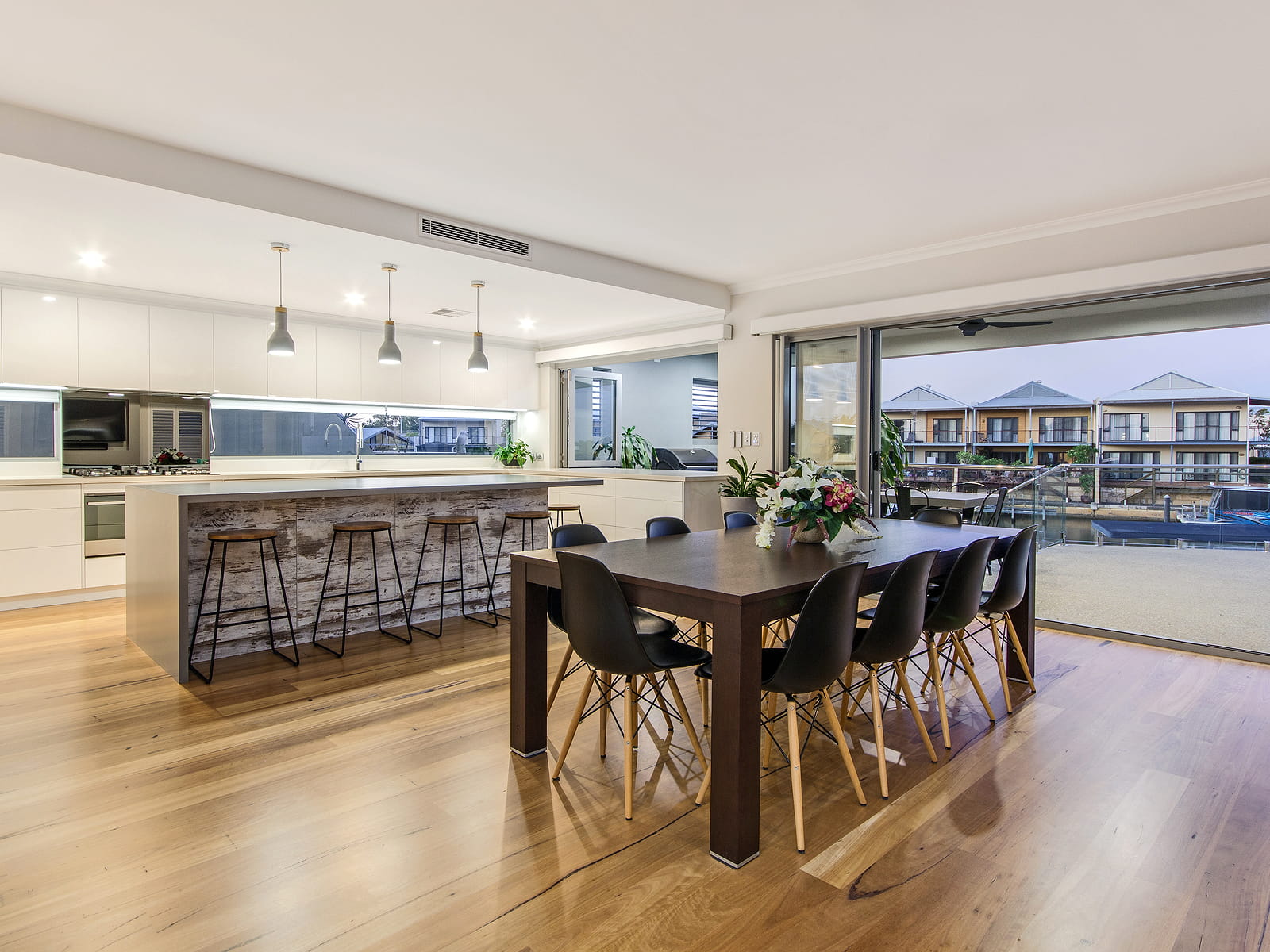
Before materials or finishes come into play, it’s the structure of the space that sets the tone, whether that’s a single-storey layout that prioritises ease of movement and accessibility, or a double-storey design that creates a clear delineation between living and private areas.
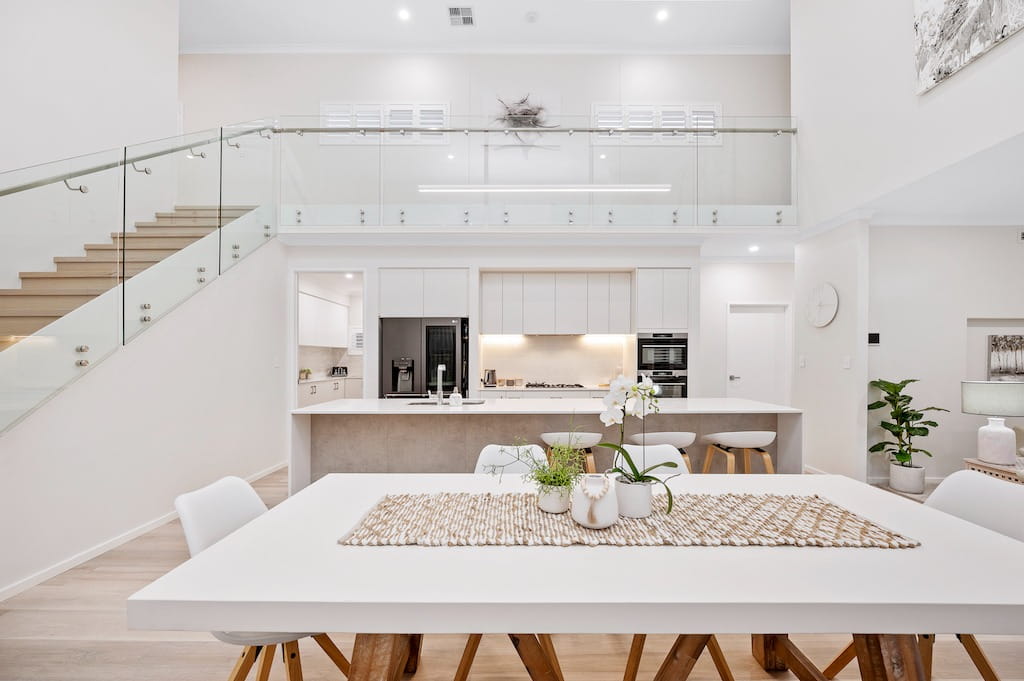
A thoughtful layout allows each area to connect naturally. Living, dining and kitchen spaces feel linked without losing their individual purpose — supporting both the quieter rhythms of daily life and moments of celebration and connection. Circulation matters here, too. The paths from the entry to the kitchen, from the living area to the alfresco and from the main bedroom to the ensuite are all used dozens of times a day. When they’re resolved well, you move through the home without thinking. The space simply works.
Zoning plays an equally important role. In homes designed for families, separating the main bedroom from secondary bedrooms creates a sense of privacy that no renovation can easily retrofit. In homes designed for entertaining, positioning the kitchen at the heart of the social space rather than adjacent to it changes how the whole floor plan feels and functions. These aren’t decisions that show up in a render, but they’re felt every day.
These decisions are rarely visible in isolation. But together, they determine whether a home feels cohesive and intuitive, or disjointed in ways that are difficult to identify but impossible to ignore.
Materials and finishes that make a home feel luxurious
There’s a reason some homes make an impact from the first step in the door. Before you’ve registered a single detail, something about the space reads as considered and genuinely high-quality. More often than not, that feeling comes down to materials.
Surfaces are what you actually live with. You run your hand along the stone benchtop, notice how the timber joinery catches the afternoon light and feel the weight of a door as it closes. These aren’t finishing touches; they’re the substance of the home.
Choosing materials that earn their place over time
The most confident material choices don’t chase trends. Honed stone with natural veining, full-height joinery in a warm local timber, aged brass tapware, thick-pile rugs with natural fibres, these hold their quality and appeal through years of daily use.
The distinction worth making isn’t between expensive and affordable. It’s between materials chosen for how they photograph and those chosen for how they perform. A polished Calacatta marble benchtop will show every fingerprint and scratch within six months. Conversely, a honed alternative in the same stone — or a well-selected engineered surface — will hold its character far longer.
Build a material palette, not just a materials list
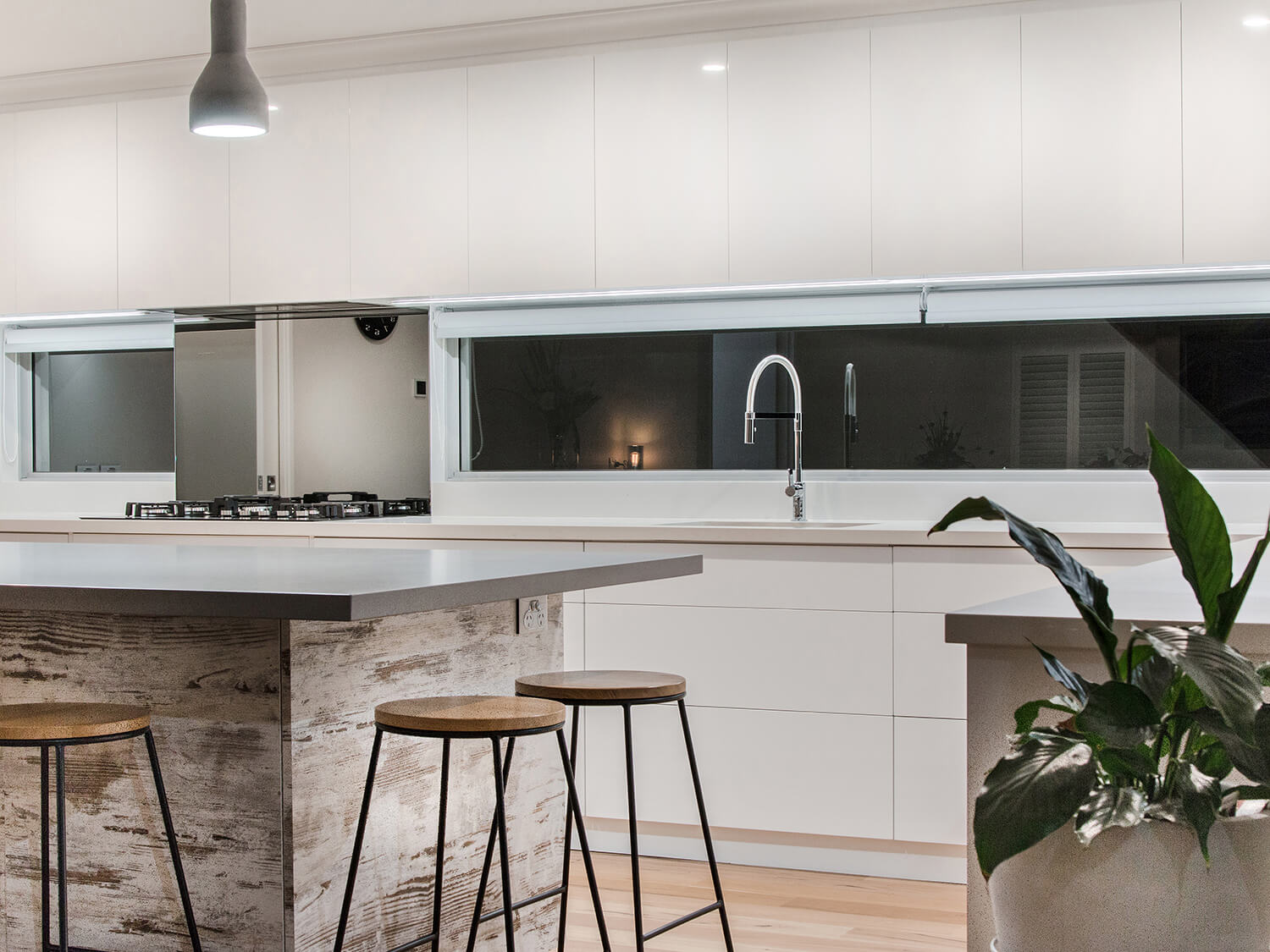
A home feels luxurious when nothing in it looks like an afterthought. That comes from selecting materials as a connected palette. For example, in a kitchen, warm undertones in the oak flooring can be complemented by the warmth in the cabinetry, and both sit comfortably against cooler stone.
This doesn’t mean every surface needs to match. Rather, it means every surface needs to relate. A grey concrete look tile in the bathroom, warm limewash plaster in the hallway and white-washed oak flooring in the bedroom are each strong choices individually. Together, they need a shared motif or the home will read as a series of rooms rather than a singular space.
The finishing details that define a luxury home
The seams matter. The place where the stone benchtop meets the splashback tile, where the flooring transitions to the bathroom threshold or where the joinery panel meets the ceiling cornice, these junctions are where craftsmanship either shows or disappears.
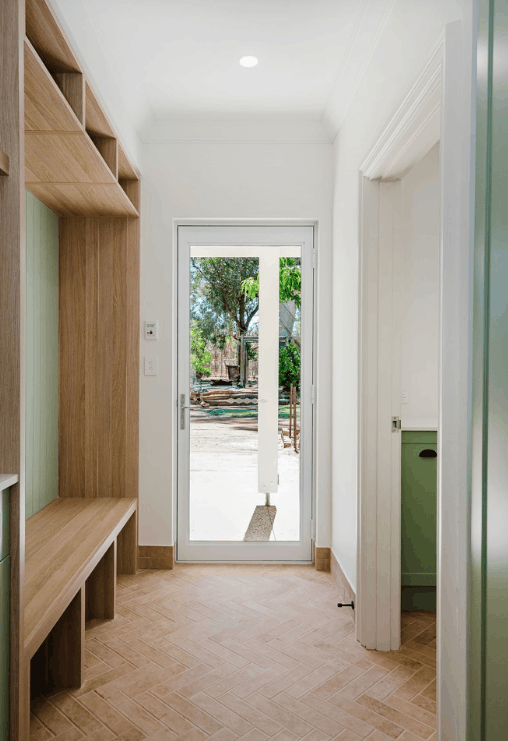
In homes that are intentionally designed, these details blend blissfully into the background, contributing to the overall sense of luxury. Grout lines are sized to match the material, not default tile sizing. Flooring runs through to the threshold rather than stopping short. Cabinetry reaches the ceiling rather than leaving a dust-collecting gap above.
None of these decisions cost significantly more than the alternative. But each is the difference between a home that feels complete and one that quietly doesn’t.
Lighting and how it impacts a home’s atmosphere
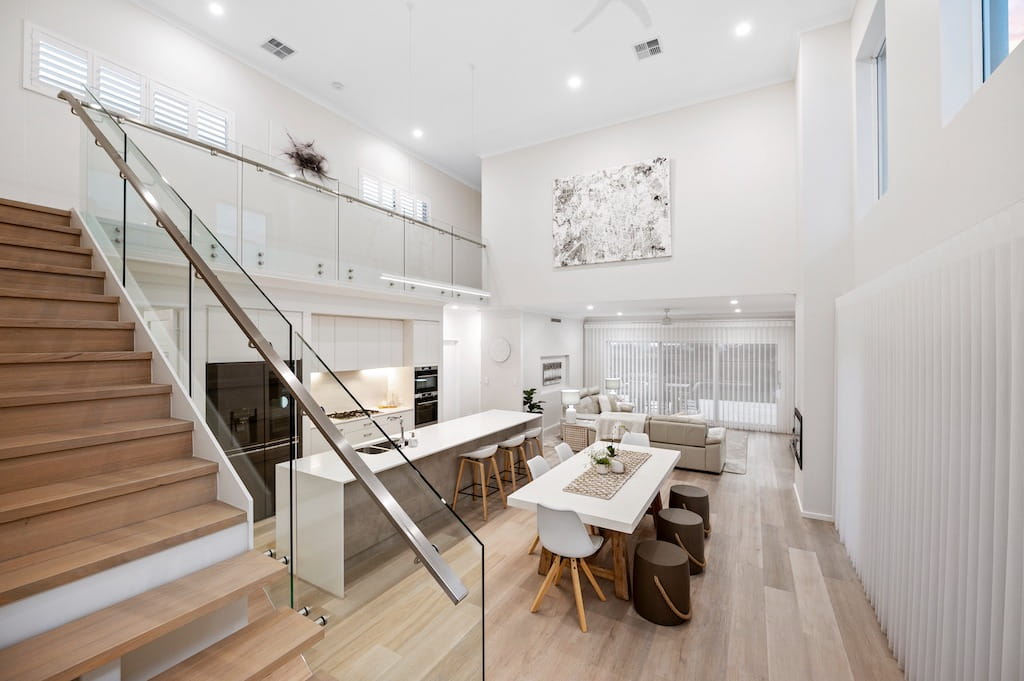
There’s a specific moment in a well-designed home, usually around dusk, where the space doesn’t lose anything when the sun drops. The warmth and depth stay, and the rooms feel just as considered at 7pm as they did at midday. That comes from treating lighting as part of the design early, instead of selecting fittings after every other decision has been made.
The rooms that benefit most from layered light are usually the ones that get the least thought. A living area with only ceiling sources will feel flat after dark, regardless of how well everything else has been designed. Introduce a lower source — such as a floor lamp, a wall sconce or underlighting on a cabinet line — and the same room reads completely differently. It’s not about adding more light. It’s about placing it at the right height, in the right position, directed at the right surfaces.
Colour temperature is another decision that quietly determines whether a home feels warm or clinical. Anything above 4000K reads cold in a residential space. Staying between 2700K and 3000K across living areas, dining and bedrooms is what produces that golden evening quality that makes a home truly inviting. Pair that with dimmers on key circuits and the home has range and can be bright when it needs to be, settled when it doesn’t.
Why luxury homes show less, not more
At a certain point in the design process, what gets left out matters as much as what goes in. Homes that feel refined tend to carry a calmness to them, not because they’re sparse, but because nothing in them is competing for attention.
Most of that tranquillity is carefully engineered through storage. Appliances housed behind panels, a laundry that closes completely, handleless cabinetry that reads as a wall rather than a row of doors — these decisions keep the surfaces clear and the eye uninterrupted. The everyday mechanics of a home are still there. They’re just not on display.
The result is a space that feels easier to be in. Rooms read more openly, the design carries through without interruption, and the home holds its quality from the moment it’s finished rather than only when it’s been tidied.
Bringing the outside in
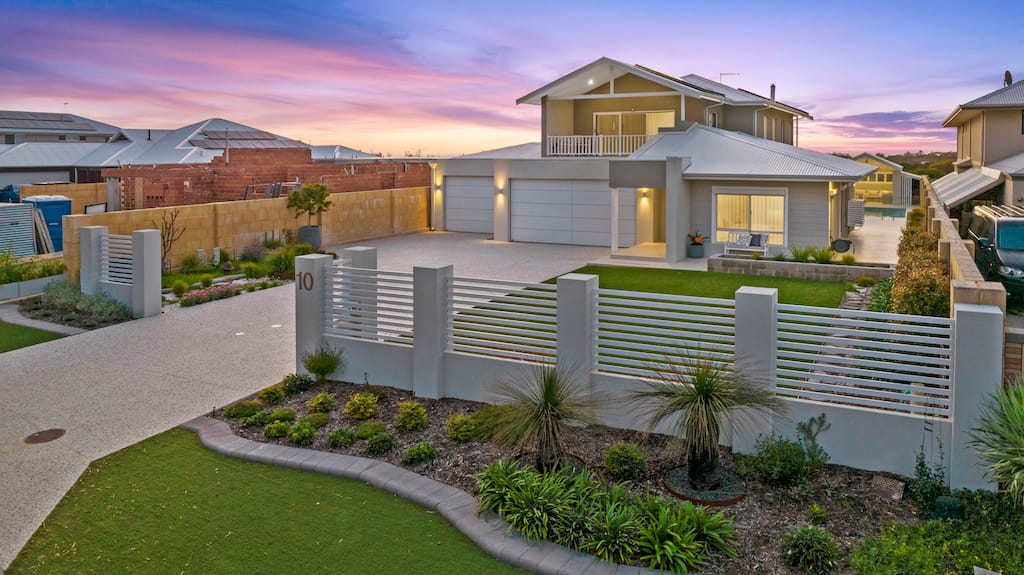
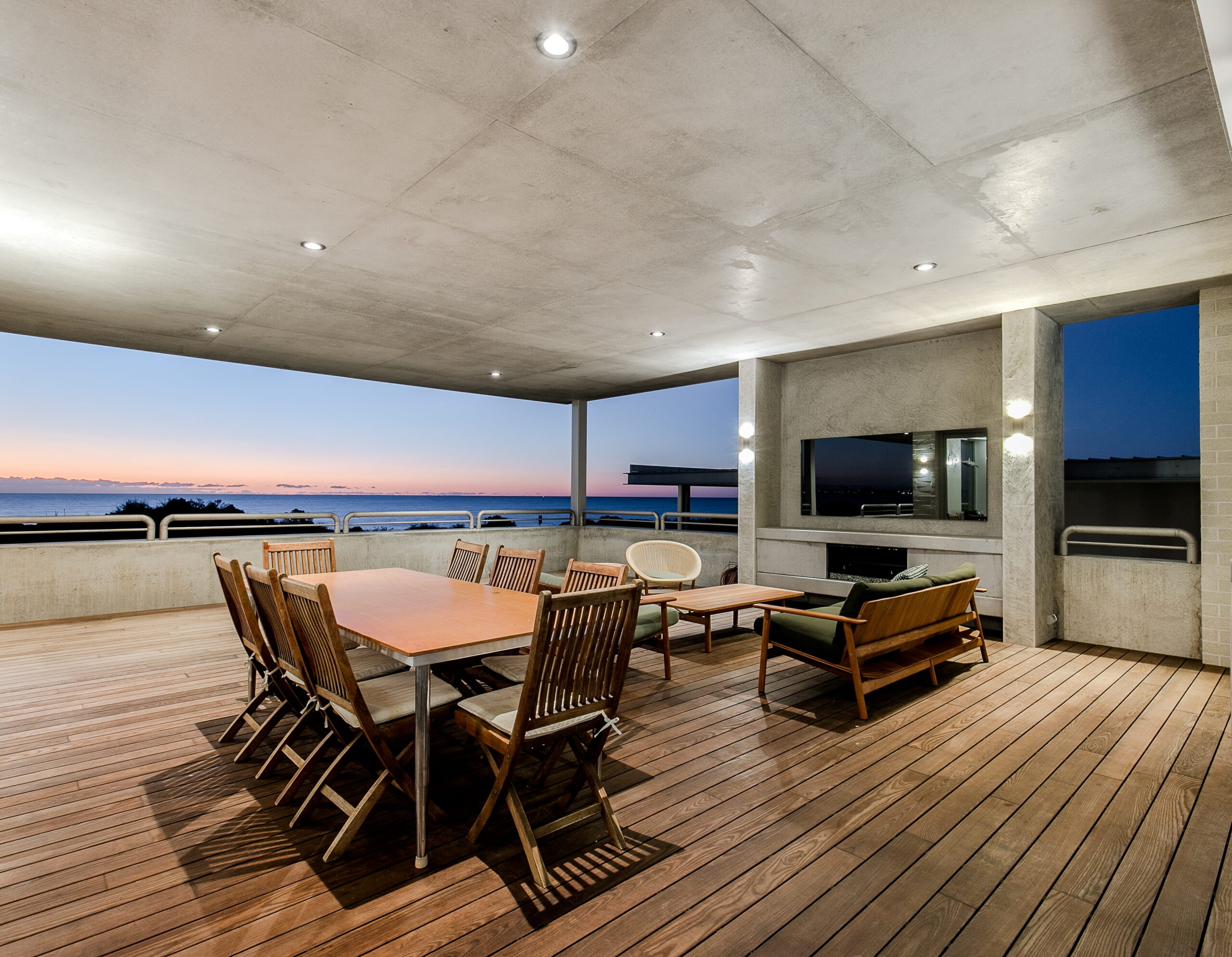
With a climate that makes outdoor living possible for most of the year, a Mandurah home that doesn’t connect well to its exterior is leaving its most attractive feature underused. It’s also one of the more overlooked answers to how to make your home feel more luxurious. The sense of openness that comes from a well-executed indoor-outdoor connection is difficult to replicate any other way.
The difference between a home that achieves this and one that doesn’t usually comes down to how early the connection is designed. When the alfresco, the living area and the kitchen are planned together — alongside details like the door system, the ceiling height, the floor tile that runs through without a change in level — the transition disappears. The interior doesn’t end at the glass. It continues.
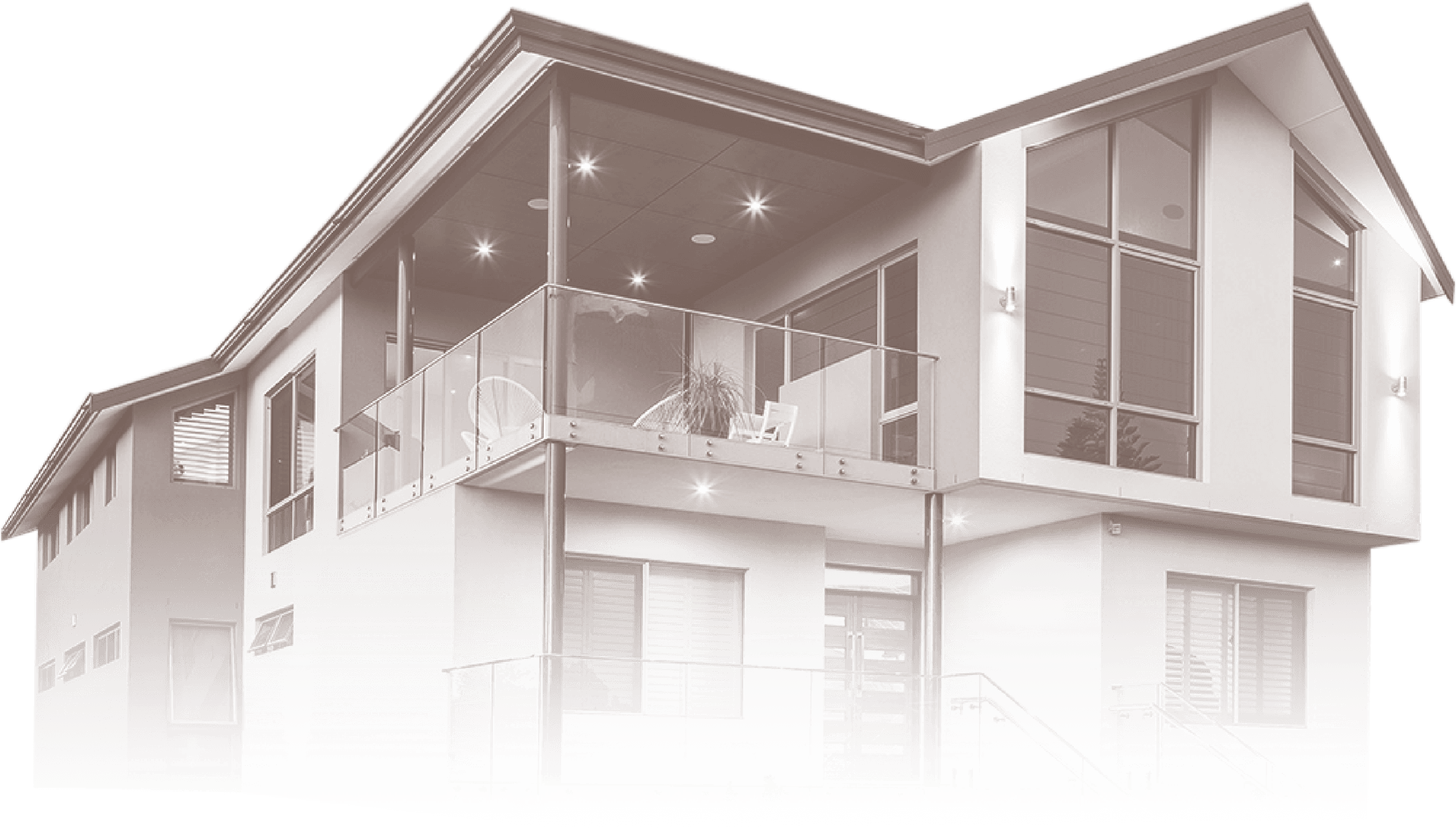
Material continuity is what holds it together. The same stone, the same timber tone, or even just the same colour temperature in the external lighting keeps both spaces feeling like parts of a whole rather than a house with a patio attached. In three-storey homes, especially, this thinking needs to carry across every level. The connection from the top-floor living area to a balcony deserves the same care as the ground-floor alfresco.
Why the most luxurious homes are designed around the people in them
The most functional aspect of a luxurious home isn’t the finishes. It’s how naturally the space works. A kitchen laid out around a specific workflow rather than a standard template, a primary bedroom positioned away from the main living areas or a home office that doubles as a guest room without feeling like either has been compromised. These decisions are felt every day.
Proportion means something different when a home is designed around specific people rather than a standard brief. A living area that’s been sized to the way a family actually uses it — generous enough for people to spread out, anchored enough to feel like a room rather than a corridor — reads differently from one that’s been drawn to fill the available footprint. The same applies to ceiling heights that shift between spaces, or a butler’s pantry that absorbs the mess of a working kitchen rather than adding a metre of bench and calling it done.
This is where building with a team that asks the right questions early makes the most difference. A home shaped around your routines, your habits and the way your household actually moves through a day will feel considered in a way that no material upgrade can replicate.
Start the conversation with Makin Homes
A home that feels genuinely luxurious isn’t the result of a bigger budget applied at the end. It’s the outcome of the decisions around layout, materials, light and individual lifestyle being considered from day one.
Makin Homes deliberately builds a select number of custom homes each year in Mandurah and the surrounding Peel region. That’s what allows us to work at the level of detail this kind of bespoke residence requires.
Book a consultation to discuss your site and what you’re looking to build.
Frequently asked questions
How can you make your home luxurious through layout and planning?
Knowing how to make your home luxurious often starts with how the space is arranged. A well-planned layout improves movement, allows natural light to reach deeper into the home and ensures each area serves a clear purpose. When these elements are considered early, the overall design feels more balanced and easier to live in over time.
What makes a home feel high-end rather than standard?
A high-end home tends to feel cohesive rather than assembled. Materials, finishes and proportions are selected in relation to one another, creating a consistent visual language throughout the space. It’s this level of coordination, rather than individual features, that gives a home a more considered and polished feel.
Does a larger home always feel better to live in?
Size alone doesn’t determine how a home feels. Poorly planned larger homes can feel disconnected or inefficient, while smaller homes with well-considered layouts often feel more comfortable and functional. Proportion, flow and how spaces relate to one another tend to have a greater impact than overall floor area.
What should you prioritise first when improving your home design?
Layout and flow typically deliver the greatest impact. Once the structure of the home works well, decisions around materials, finishes and lighting fall into place more naturally. This approach helps avoid mismatched elements and produces a home that holds together from the ground up.