Key Takeaways
- A sound existing structure can make renovation worth considering, particularly when much of the home can be retained and worked into the new design.
- Renovation can become harder to justify when structural repairs, major demolition and extensive changes take up a growing share of the budget.
- Compare the overall cost of each option, including temporary accommodation, moving and other expenses outside the construction itself.
- Consider how well the existing footprint supports the home you want. If the layout or position of the house creates ongoing compromises, rebuilding may be worth a closer look.
- Focus on what each option will deliver once the work is complete, rather than making the decision on the initial price alone.
You might love your block and the area you live in, but the home itself no longer suits the way you want to live.
Perhaps the layout feels closed off, your family needs more space or the house needs significant work before you can start making the changes you actually want. At that point, the question becomes bigger than which rooms to update. Do you renovate or rebuild?
There is no single answer that works for every property. The condition of the existing home, the extent of the proposed changes, your budget and the finished home you want to create all play a part.
Before committing to either path, it helps to look at what you already have, what you want to achieve and how much work stands between the two.
Start with the home you want at the end
Think about how much space you need, where family and friends naturally gather and what currently frustrates you about the house. You might want an additional bedroom, a larger kitchen and living area, better separation between different zones, more storage or a stronger connection to the backyard.
Your longer-term plans matter too. A home that works for your household today should still make sense as your needs change.
Once those priorities are clear, compare them with the current footprint.
If most of what you want can be achieved while retaining the core structure and layout, renovation may be a logical direction to investigate. If reaching the same outcome requires removing large sections of the home, altering major structural elements and rebuilding much of what remains, it is worth comparing the cost and complexity of starting again.
From there, you can see what is worth retaining and where the home could limit the new design.
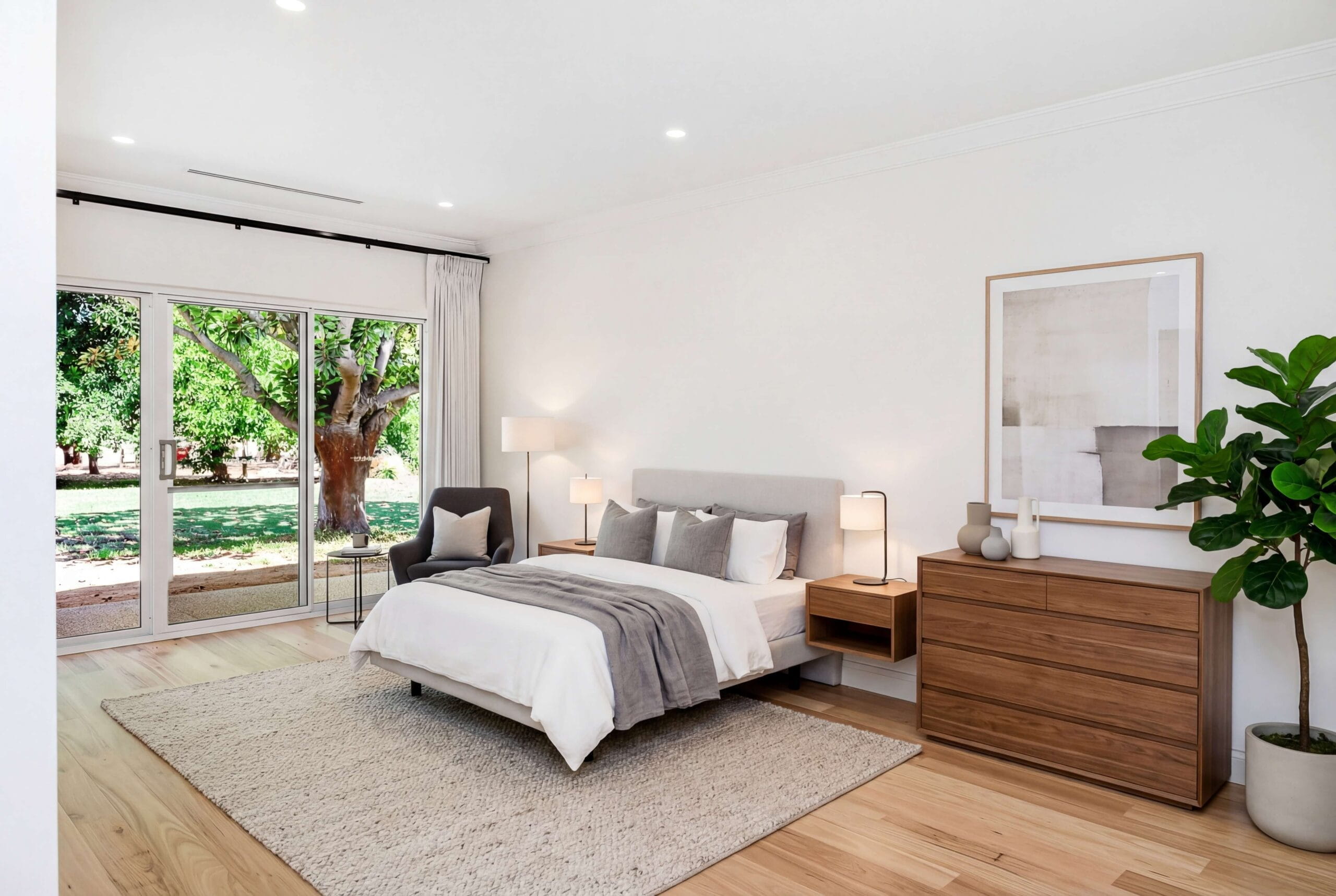
How much of your existing home is worth keeping?
The age of a house does not determine if it should be renovated or demolished. Its condition and how well it can accommodate your plans matter much more.
A well-built older home with a sound structure may provide a strong starting point for a substantial renovation. Another property of a similar age could require significant rectification before the visible improvements even begin.
Foundations, roof structure, load-bearing walls, floor levels and previous alterations can all influence what can reasonably be retained. The position of the house on the block can also affect how easily an extension or new layout can be incorporated.
Problems hidden behind walls or beneath floors can be difficult to identify during the early planning stages, yet they can significantly affect the eventual scope. A professional assessment can help uncover potential issues before renovation plans progress too far.
Structural red flags worth investigating
Some conditions deserve closer investigation before progressing too far with renovation plans, including:
- Significant or recurring cracking
- Uneven or moving floors
- Persistent water or moisture problems
- Deterioration to the roof or structural elements
- Previous additions or alterations of uncertain quality
- Large sections of the existing structure that would need to be removed
Finding one of these issues does not automatically mean the home needs to come down. It does mean you should understand the cost of addressing it before comparing your options.
When does renovating stop making financial sense?
There is no set dollar figure where renovating suddenly stops making sense. The more useful question is: how much of your budget is improving the home, and how much is being spent fixing or working around what is already there?
If most of your investment goes towards the spaces and changes you actually want, renovation can still represent good value.
Renovation can become harder to justify when several major works are needed before those improvements can begin, such as:
- Extensive demolition
- Structural strengthening or repairs
- Relocating kitchens, bathrooms or other wet areas
- Replacing ageing services
- Adding substantial new floor area
- Reworking the existing roof
- Correcting previous additions or alterations
One or two of these may be manageable. When several start adding up, a significant portion of the budget can be spent adapting the existing house rather than creating the finished home.
At that stage, it is worth comparing the full cost to renovate or rebuild.
For a renovation, consider demolition, structural work, additions, new finishes, services and an allowance for unexpected conditions. For a rebuild, factor in demolition, site preparation, new-home construction and other costs specific to the property.
Look at the value of the finished home, rather than basing the decision on the initial price alone. If a substantial renovation still leaves you compromising on the layout, space or overall design you wanted, rebuilding may offer better value for the investment.
Renovate or knock down rebuild? Compare what your budget delivers
| Consideration | Renovation may suit when | Rebuilding may suit when |
| Existing structure | Most of the structure is sound and useful | Significant structural work is required |
| Current layout | The footprint can accommodate the proposed changes | Major restructuring is needed to create the desired layout |
| Project scope | Changes are reasonably contained | Most areas of the house will be substantially altered |
| Budget allocation | Most spending contributes directly to the finished home | A large amount is needed to rectify the home first |
| Design outcome | The brief can be achieved without major compromise | The existing home continually restricts the design |
| Unknown conditions | The structure is reasonably well understood | Multiple structural or construction unknowns remain |
Retaining part of the house only adds value if that structure remains suitable for the new design. Keeping a small section of the home does not automatically make renovation the more economical option.
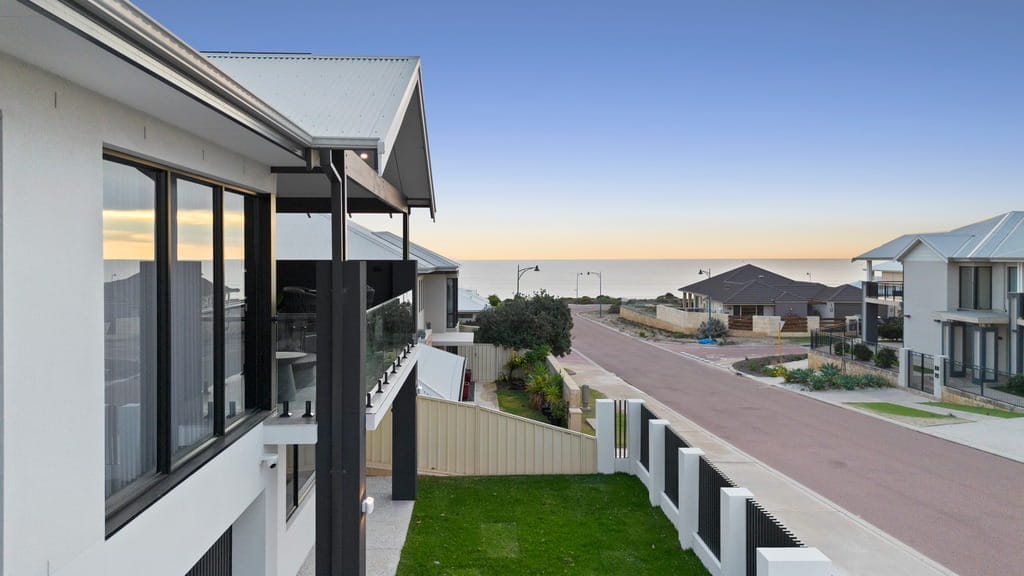
Factor in the disruption as well as the construction cost
Cost is important, but so is what happens while the work is underway.
Some renovations allow parts of a home to remain occupied. More substantial projects may make that impractical or unsafe, particularly when kitchens, bathrooms, services or large sections of the structure are affected.
Staging work can sometimes allow a household to remain at the property, but it can also extend the period of disruption. Dust, noise, limited access and trades moving through the site can become a significant consideration during a long project.
A knock-down rebuild generally means moving out for the duration of construction, so temporary accommodation needs to be factored into the budget from the beginning.
Storage, moving expenses and temporary accommodation should all be included when comparing the overall cost of each option.
Consider what rebuilding could unlock on the same block
Sometimes the existing house is in reasonable condition but prevents the block from being used in the way you want.
The home may sit too far into the backyard, face away from the best outlook or occupy a large portion of the site without providing the internal space your household needs. In these situations, working around the original footprint can introduce compromises before the new design has even started.
Building vertically may provide the extra floor area you need while preserving more of the ground level for gardens, entertaining or a pool. Depending on the property and planning requirements, a two-storey or three-storey home may be worth considering.
Size is only part of the decision. Look at how effectively each option would use the block you already own.
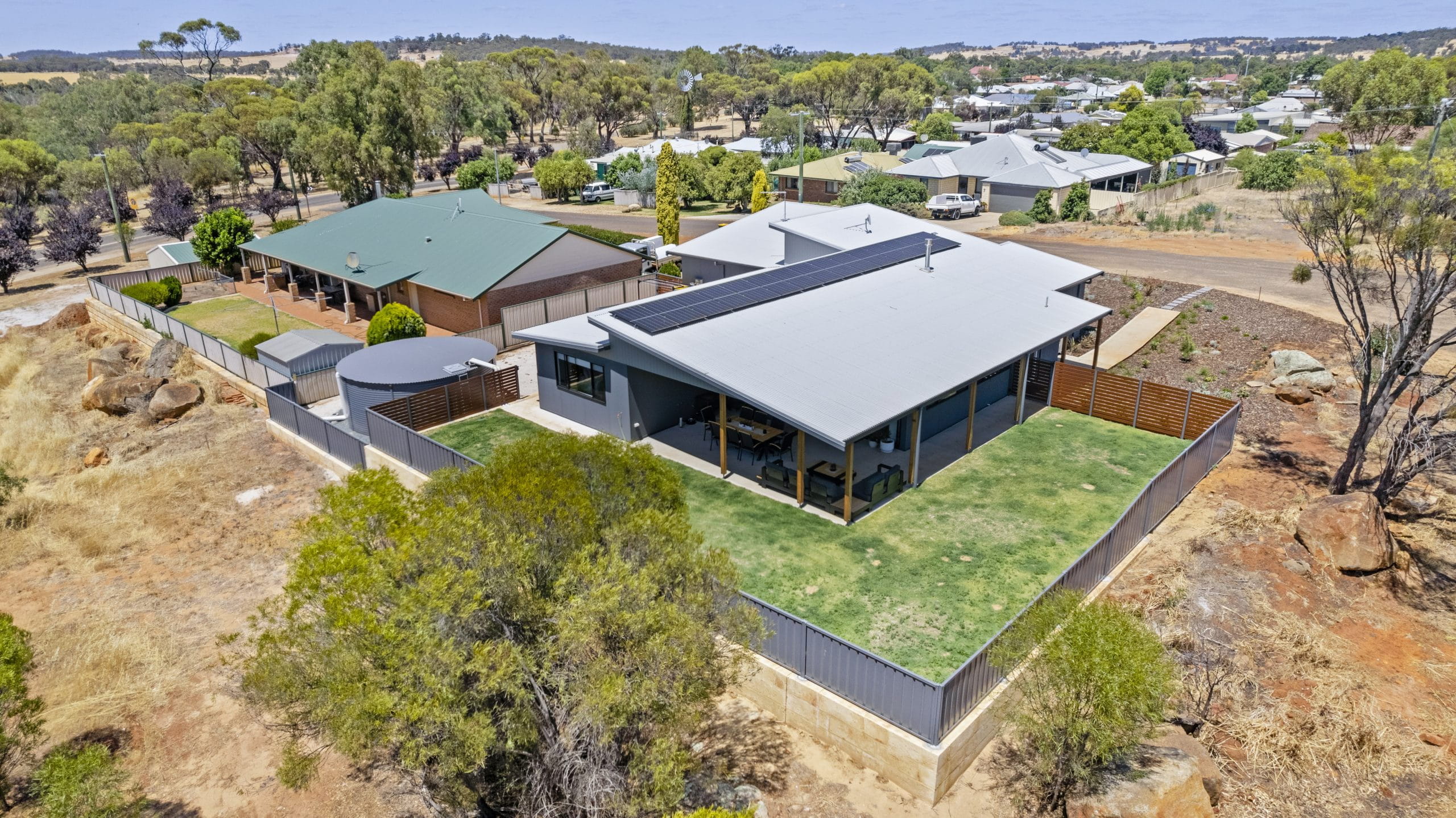
A simple decision framework for your property
If you are still trying to renovate or rebuild, these five questions can help bring the options into focus:
- How much of the home can genuinely be retained?
Look beyond individual rooms and consider the structure, roof, floor plan and services. - How much work is required before the improvements can begin?
Structural repairs and rectification need to be counted as part of the renovation investment. - Can the existing footprint accommodate the home you want?
A design that requires repeated compromises may indicate that the existing structure is working against the brief. - How do the complete project costs compare?
Include demolition, rectification, construction, temporary accommodation and other costs relevant to each path. - What will you have at completion?
Compare the finished homes, not simply the initial prices.
If the structure is sound, the footprint works and most of the budget can go towards creating the spaces you want, renovation may be the stronger direction.
If structural work, demolition, large additions and design compromises continue to accumulate, rebuilding deserves a serious comparison before you commit.
Decided that renovating is the right direction?
If renovation remains the right fit after weighing up the condition, cost and scope of the project, you can learn more about our approach to home renovations in Mandurah and what to expect from the process.
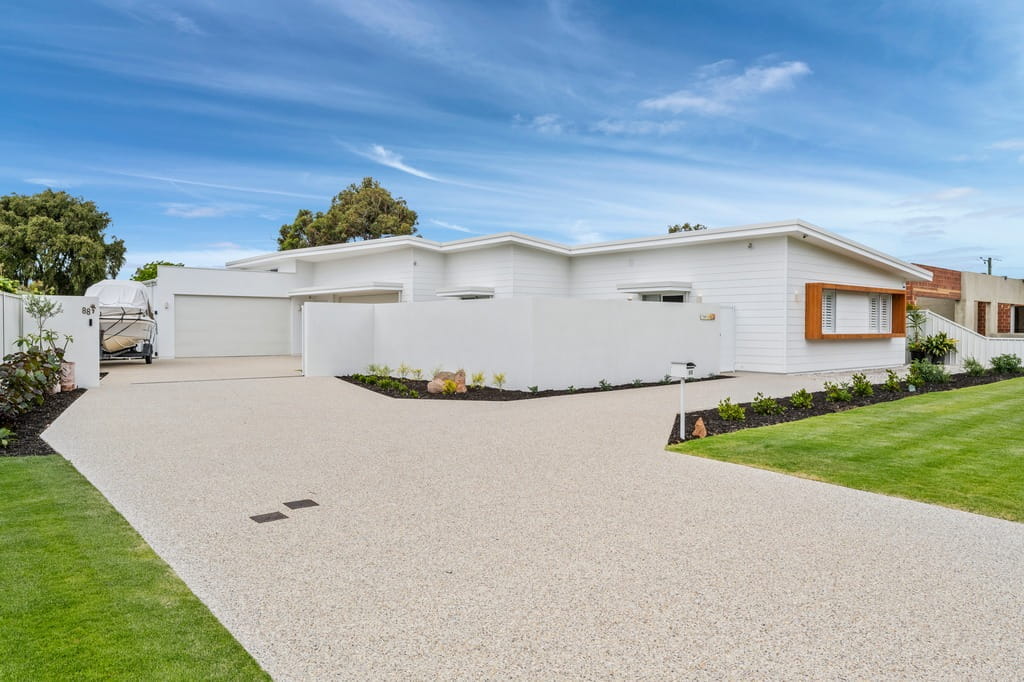
Still not sure which path is right?
Sometimes the answer only becomes clear once you understand what can realistically be achieved with the home and block you already have.
Makin Homes has been designing, building and renovating homes across Mandurah and the Peel region since 2008. By taking on a maximum of 10 homes each year, our team can remain closely involved throughout the process and give every project the attention it deserves.
If you are still weighing up your options, book a chat with our team. We can talk through your property, what you would like to achieve and the likely scope of the project, so you have a clearer idea of which direction to explore.
Frequently asked questions
Do I need plans before deciding between renovating and rebuilding?
Not necessarily. Having a clear idea of the spaces, layout and overall outcome you want is a useful starting point, but detailed plans do not need to come first. An early discussion about the existing home, block and scope can help establish which options are worth exploring before you invest too much time or money in a particular design direction.
Can part of an existing home be kept and the rest rebuilt?
In some cases, yes. A project may retain suitable sections of the existing home while removing and rebuilding others. The condition of the structure, how the retained areas connect with the new work and the overall design all need to be considered. Keeping part of the home should contribute to the project rather than create unnecessary limitations or complexity.
What should I allow for before work starts on a major renovation or rebuild?
Depending on the project, early costs may include design, site investigations, engineering, approvals and other professional services. Demolition and site preparation may also need to be factored in. Understanding these requirements early helps create a more complete picture of the project budget.
Do renovations and rebuilds require the same approvals?
The approvals required will depend on the scope of the project and the property itself. A substantial renovation may involve approvals for structural changes, additions or other building work, while a rebuild involves approvals for an entirely new home. Planning requirements will also vary with the proposed design and site. Identifying these requirements early can help avoid unexpected delays as the project progresses.