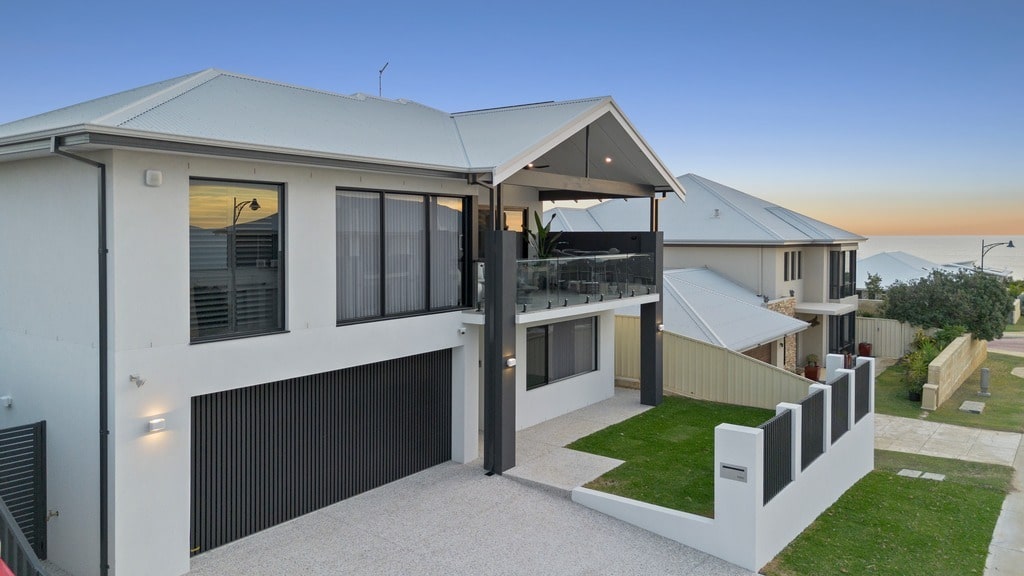
Luxury home design is evolving. In 2026, it’s no longer about following trends for the sake of style. Today’s luxury homes are defined by thoughtful design choices that respond to how we live, the climate we live in, and the kind of lifestyle we want to create.
If you’re planning a custom home in Western Australia, the latest home design trends reflect a shift toward sustainability, wellbeing, timeless materials, and highly personalised living spaces.
These trends aren’t just about what looks good, they’re about building homes with long-term value, comfort, and character.
Sustainable design is now central to luxury

Sustainability is no longer an optional extra in luxury home design. It’s a core expectation. Homeowners are now looking for designs that reduce energy use, create a healthy environment, and perform efficiently over time.
Smarter energy performance
Thermal insulation, smart window placement, high-performance glazing, and cross-ventilation are being used to keep homes naturally comfortable. This results in lower energy bills and a more enjoyable living experience all year round.
Fully electric, net-zero homes
Gas is being replaced with all-electric systems. Features like solar panels, battery storage, heat-pump hot water and induction cooking are now seen as luxury standards. These choices also future-proof homes and support more sustainable living.
Low-impact materials
Builders and homeowners alike are favouring materials that are renewable, recyclable, or have low embodied energy. Timber, stone, hempcrete, rammed earth, and recycled materials are being used for their natural appeal and environmental credentials.
Natural materials are taking centre stage
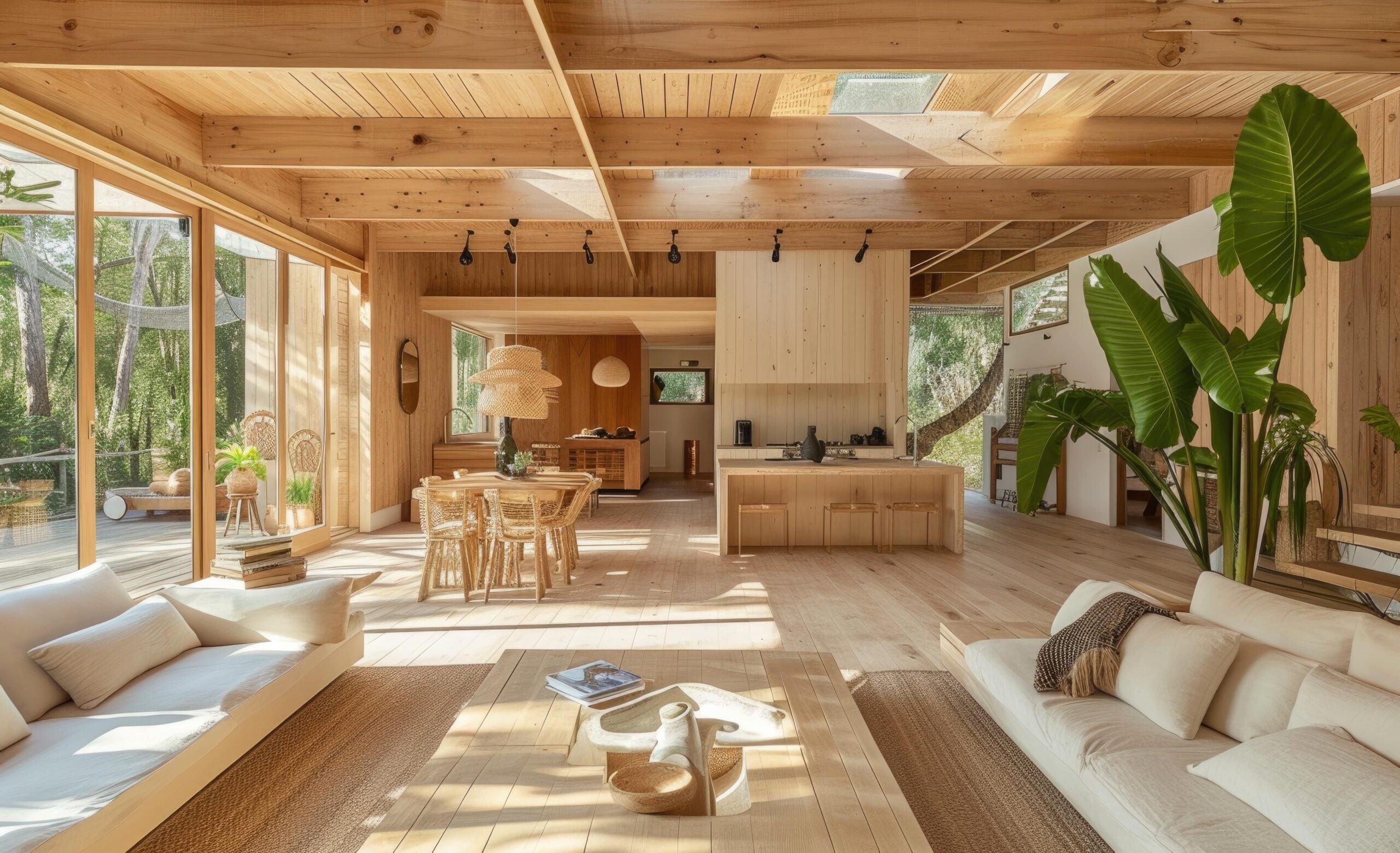
In 2026, luxury homes are embracing natural textures, tones, and materials that add warmth, depth, and authenticity. The focus is on finishes that age gracefully and tell a story.
Rammed earth and thermal mass
Rammed earth continues to gain popularity in Western Australia. It’s valued for its raw beauty, natural insulation properties, and connection to the local landscape. It suits both rural and coastal settings and delivers strong thermal performance.
Reclaimed Timber with character
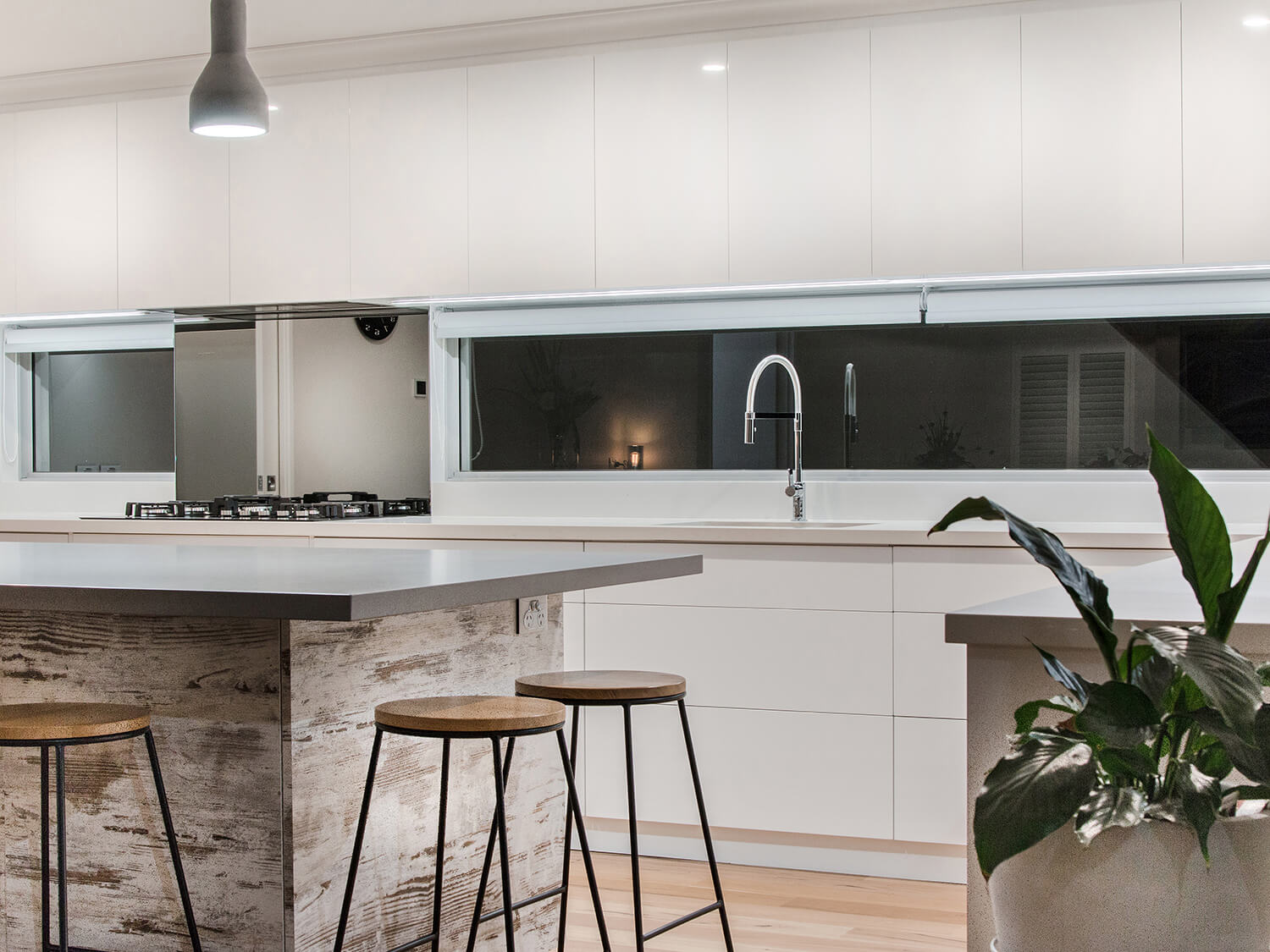
Reclaimed timbers are being used for feature walls, cabinetry, floors and ceilings. The imperfections in these materials create unique character, while also supporting sustainability.
Stone, limewash, and textured finishes
Hand-applied surfaces like limewash and plaster are replacing smooth, painted walls. These finishes bring softness and visual interest to a space. Stone with bold veining is now used as a statement feature across kitchens, bathrooms and fireplaces.
Warmer, earthy palettes
The 2026 colour palette has shifted toward earthy tones–think olive, terracotta, sand, ochre and warm white. These create a grounded, calming environment that feels connected to the WA landscape.
Homes are being designed for multi-generational living
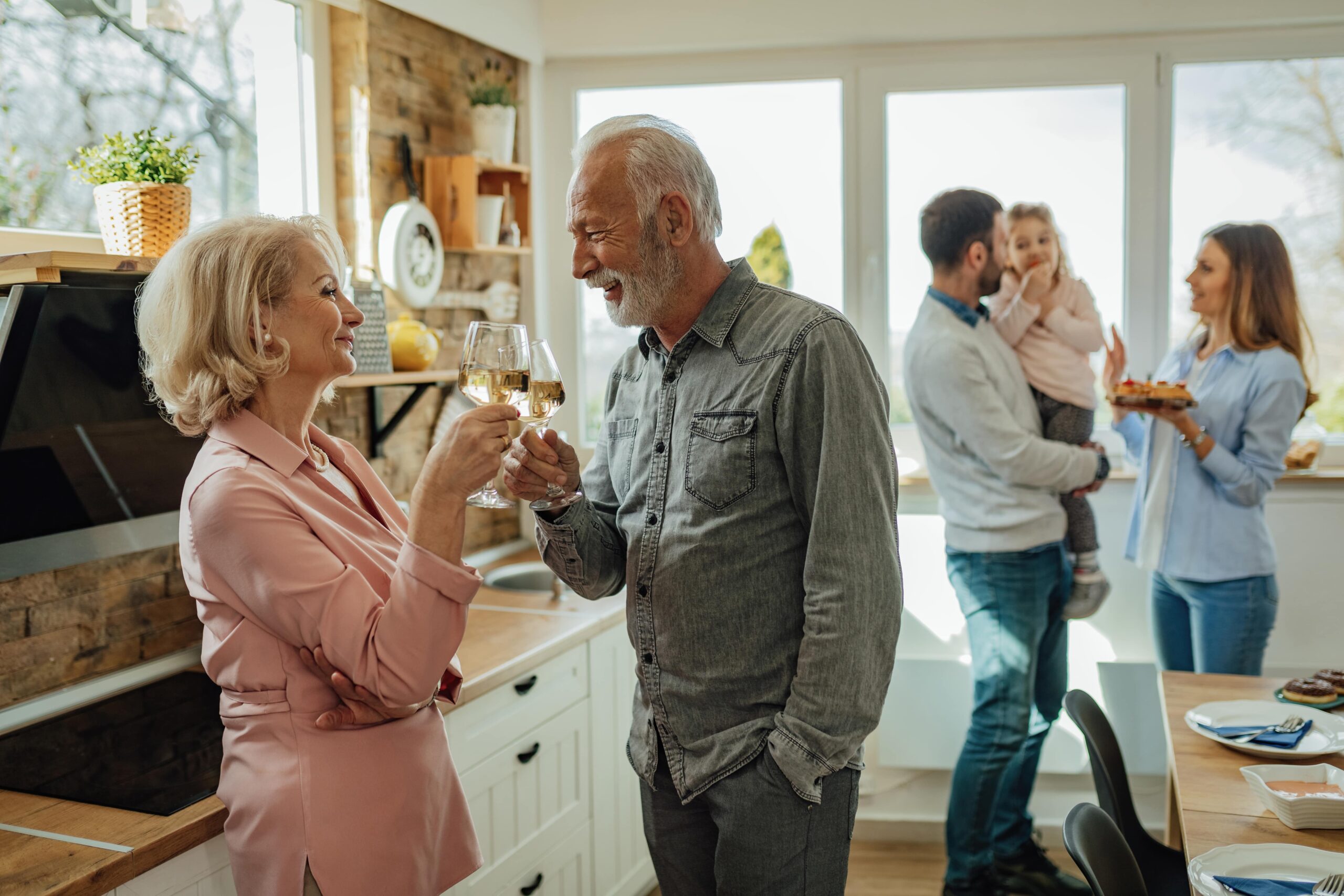
Today’s homes are more than private retreats, they’re spaces that support extended families and changing lifestyles. The rise in multi-generational living is influencing both layout and design priorities.
Integrated secondary living spaces
Self-contained spaces are being designed as a seamless part of the home. These zones may include their own kitchen, bathroom, living area and outdoor space, designed to blend with the rest of the home, not stand apart.
Dual-key layouts
A dual-key configuration creates two private living zones under one roof. With separate entrances, private amenities and a shared architectural style, this layout supports flexibility for long-term family use.
Flexible rooms with purpose
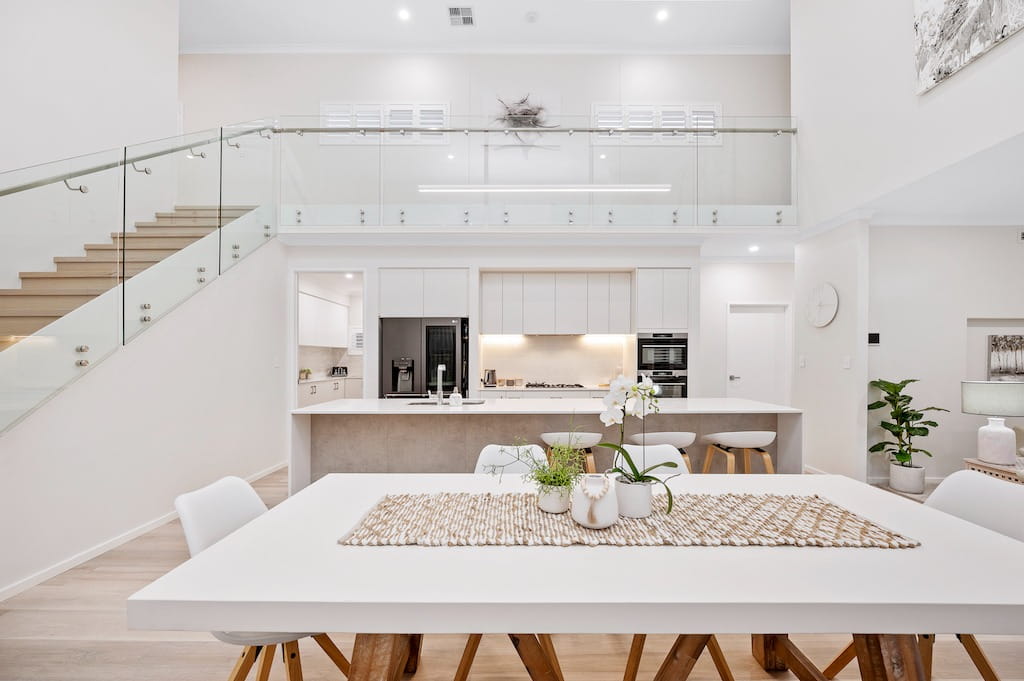
Rooms are no longer single-use. One space may serve as a guest suite, home office or media room depending on the day. This is made possible by clever layout planning, integrated storage, and multi-functional joinery.
Indoor-outdoor living is more seamless than ever
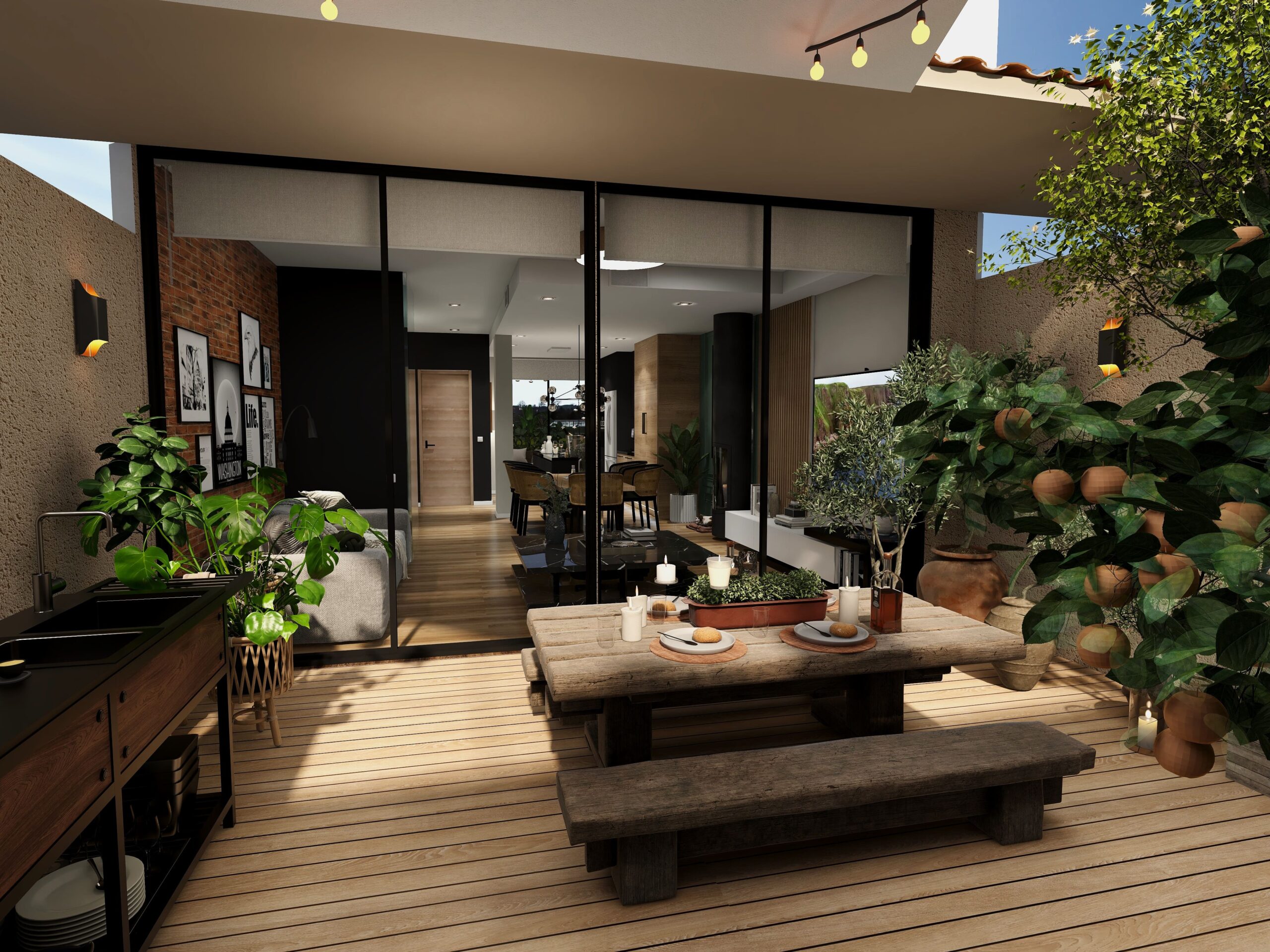
A strong connection to the outdoors has always been part of Australian living. In 2026, that connection is more refined, more intentional, and more integrated into the core of the home.
The outdoor room as a living room
Outdoor spaces are being treated with the same design attention as interior spaces. Covered alfresco areas now include built-in kitchens, lounge seating, fireplaces, ceiling fans and even media systems.
Courtyards and biophilic planning
Nature is embedded as a permanent feature, not an accessory. This includes vertical gardens, large-scale greenery, and courtyard layouts that bring light and nature into a home’s core. Water features, reflection pools and indoor fountains, bring tranquillity and movement into interiors.
Framing the landscape
Large sliding or stacking glass doors are being used to create uninterrupted views to outdoor spaces. Landscapes are being integrated into architectural plans from the start, not added as an afterthought.
Technology is becoming the invisible luxury

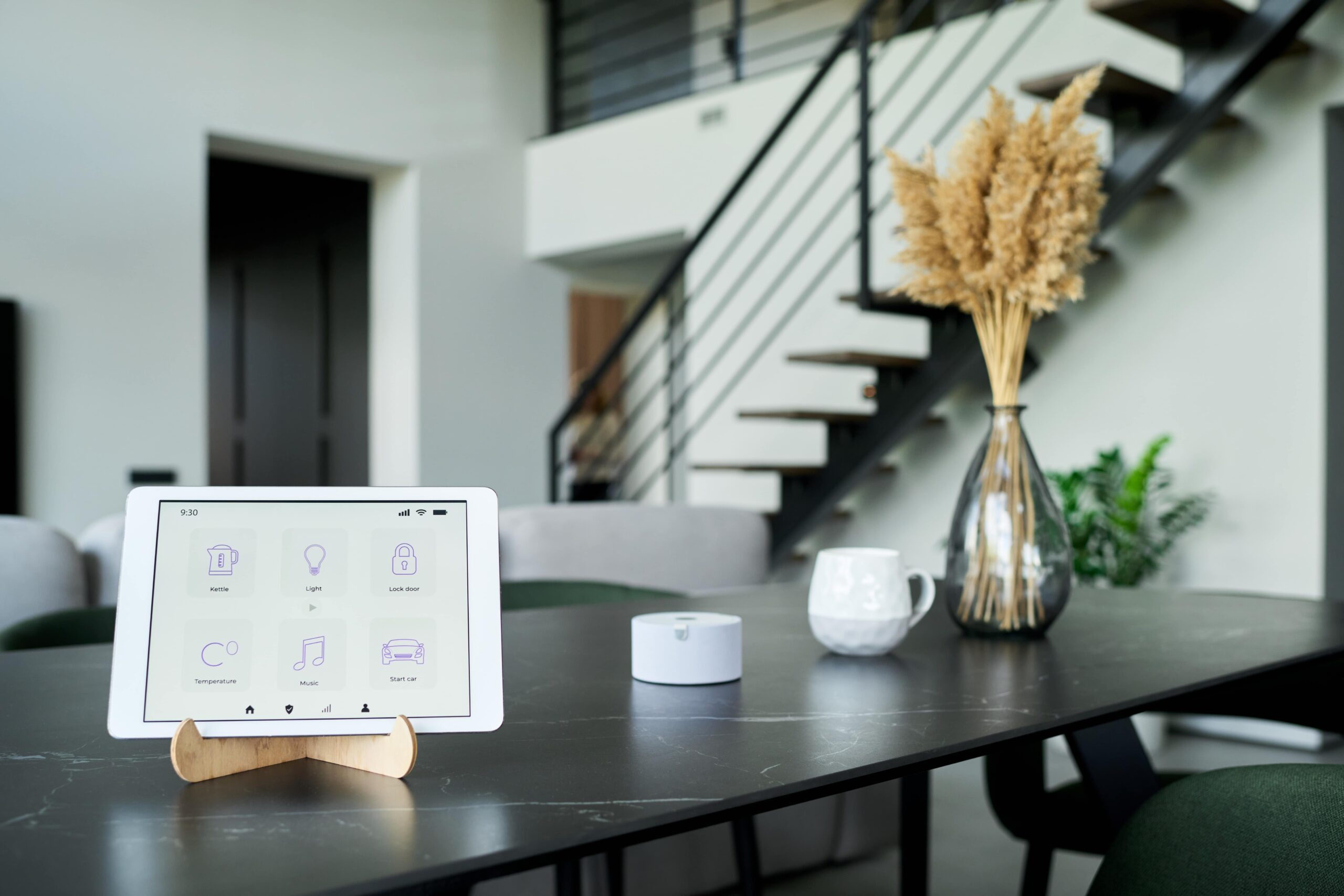
Smart home technology in 2026 is no longer just about convenience, it’s about comfort, health, and efficiency.
Wellness-focused smart systems
Homes are being fitted with systems that monitor and manage air quality, water purity, and lighting levels. These technologies help reduce exposure to allergens and toxins while supporting better sleep and energy levels.
Integrated automation
Blinds, lighting, security, and climate control are all connected and automated. These systems learn daily routines and adjust accordingly, creating a home that adapts quietly in the background.
Quiet luxury and warm minimalism are defining the look
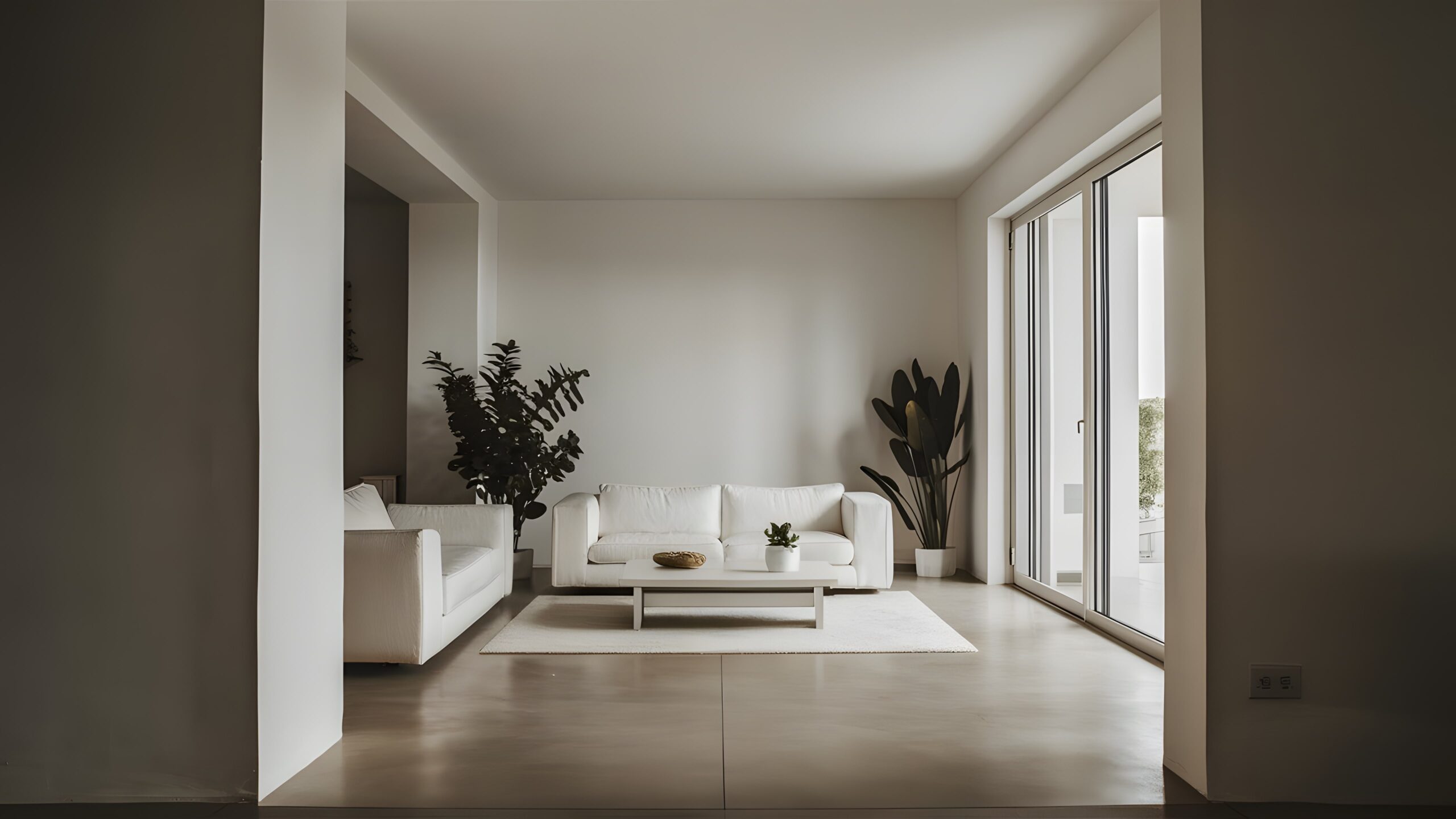
The visual language of luxury has shifted. In 2026, it’s not about flashy finishes or oversized spaces. It’s about understated elegance, refined materials and lasting design.
Material-led design
True luxury is being expressed through quality materials rather than obvious displays. Walnut joinery, natural stone, brushed metals and soft textiles add richness without the need for ornamentation.
Calm, cohesive palettes
Minimalist interiors now feel warm and inviting thanks to layered textures and tonal colour schemes. Design is clean but never cold, with comfort taking priority.
Japandi influences
The fusion of Japanese restraint and Scandinavian simplicity continues to guide modern interiors. Low-profile furniture, muted tones, and a focus on craftsmanship reflect this serene, timeless aesthetic.
Personalisation and creative expression matter more than trends
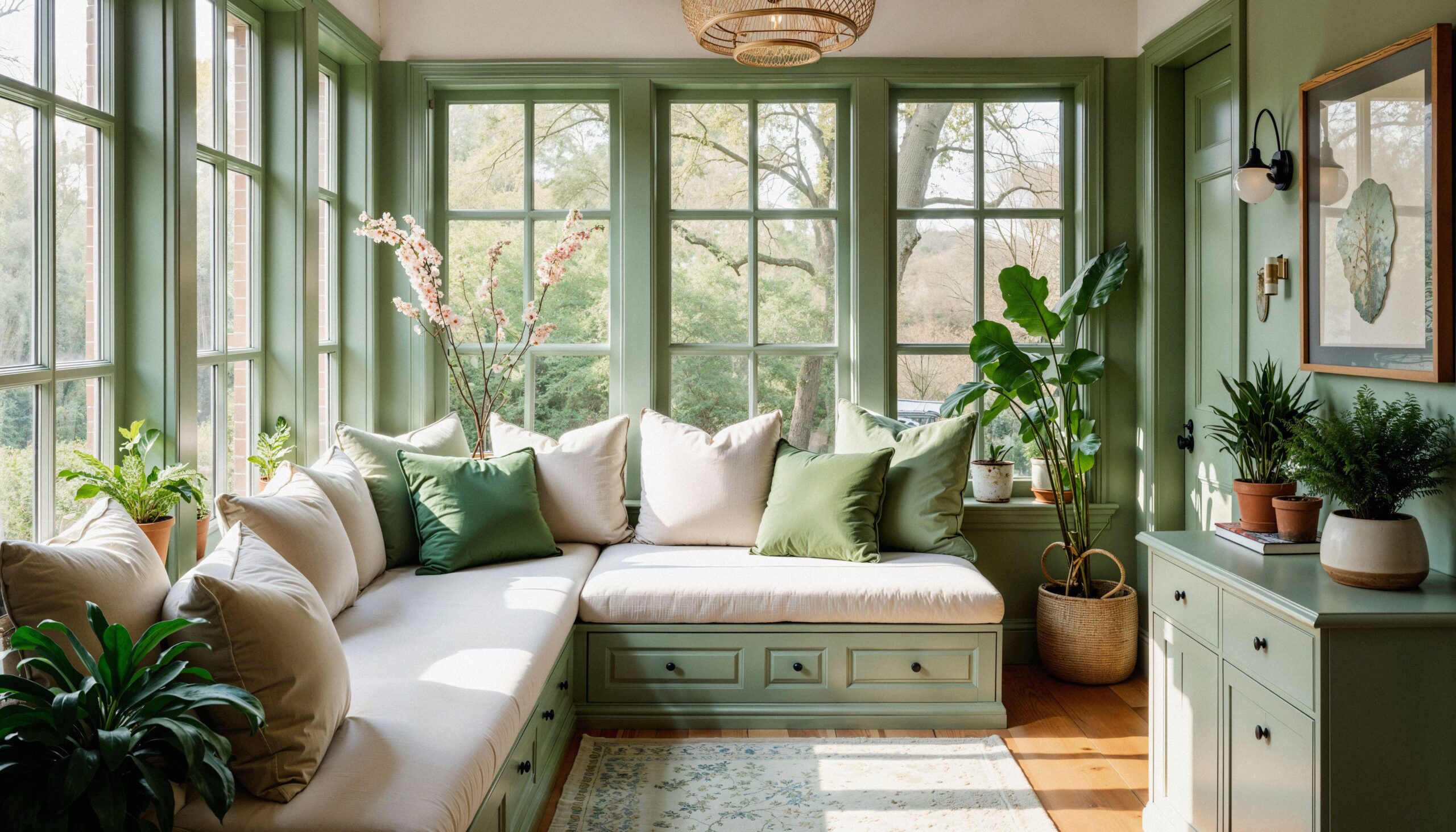
In 2026, homeowners want spaces that reflect who they are. Homes are being customised to support creative living, self-expression and practical needs.
Feature lighting and artistic interiors
Lighting is being used as both function and feature. Sculptural pendants, custom wall lights, and statement pieces act as focal points throughout the home. Colour and texture are also used more freely to express personality.
Custom joinery as the foundation
High-quality, made-to-measure joinery ties a home together. It provides hidden storage, conceals technology, and ensures a seamless flow between rooms, supporting clean lines and multifunctional use.
Home design trends are becoming more responsive to the WA climate
The most important trend of all? Designing homes that respond to where we live. In Western Australia, climate-smart design is no longer optional, it’s essential.
Passive design principles
Orientation, shading, cross-ventilation and thermal mass are being prioritised in new home designs. These strategies reduce reliance on air conditioning and create homes that feel naturally comfortable.
Materials that suit the climate
Homes are being built with materials that perform well in WA’s dry summers, coastal winds and cool nights. Rammed earth, timber, stone, and breathable plasters all support temperature regulation and long-term durability.
Designs that support lifestyle
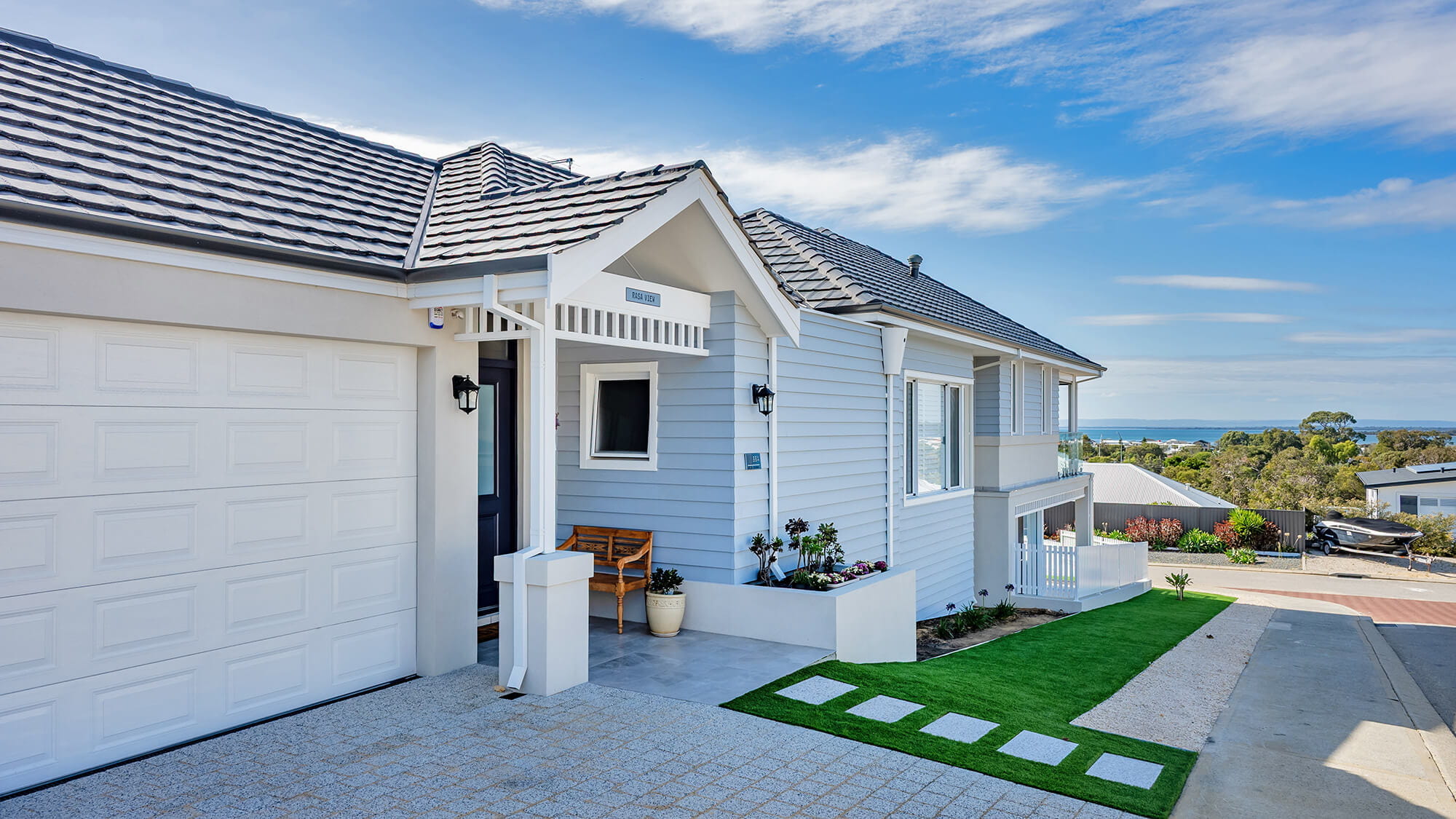
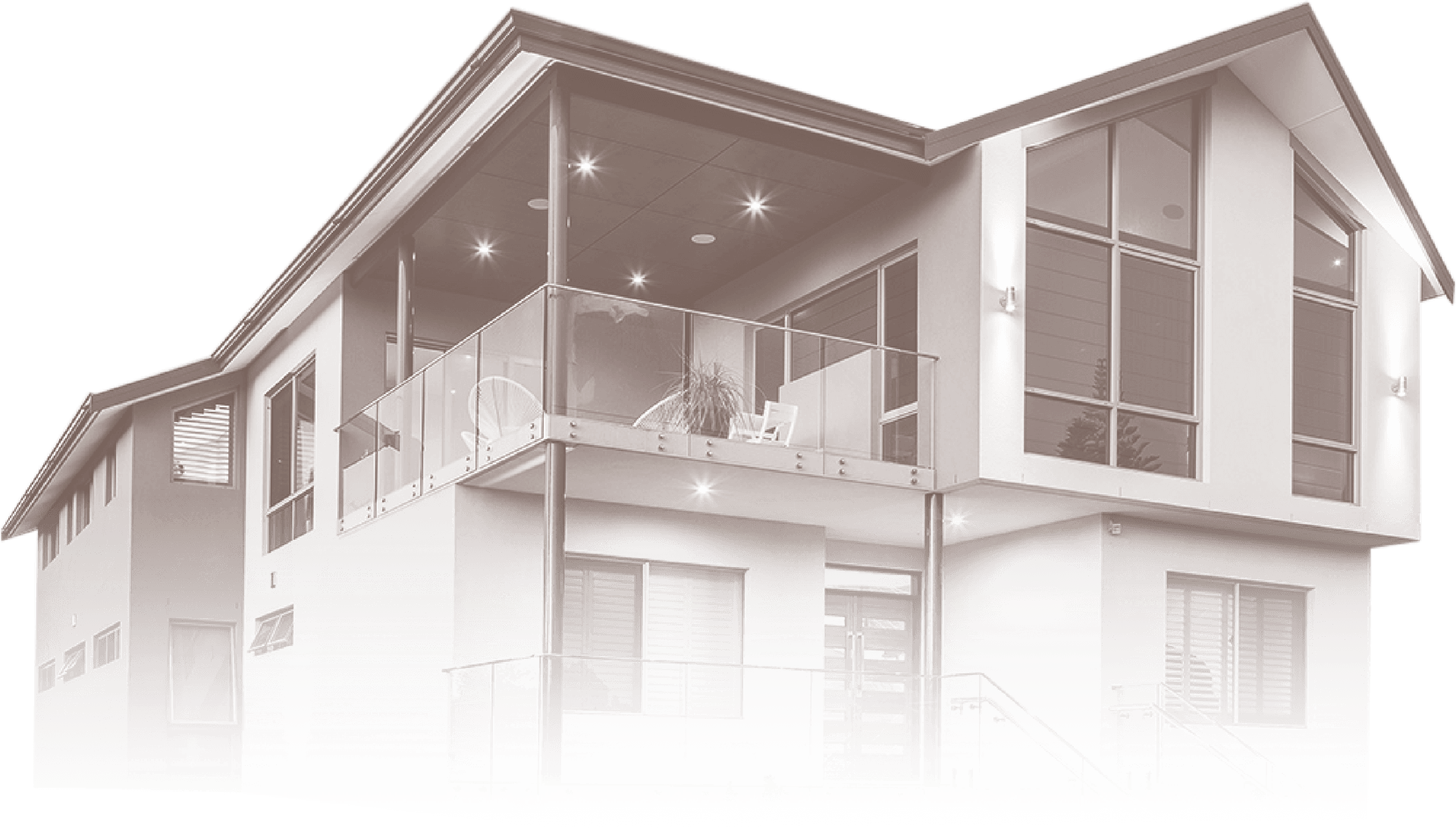
Whether it’s a single storey home designed for seamless indoor-outdoor living, a two storey home with dedicated zones for different generations, or a three storey home that captures expansive coastal views, Western Australian homes are being tailored to fit both lifestyle and location.
Building your vision with Makin Homes
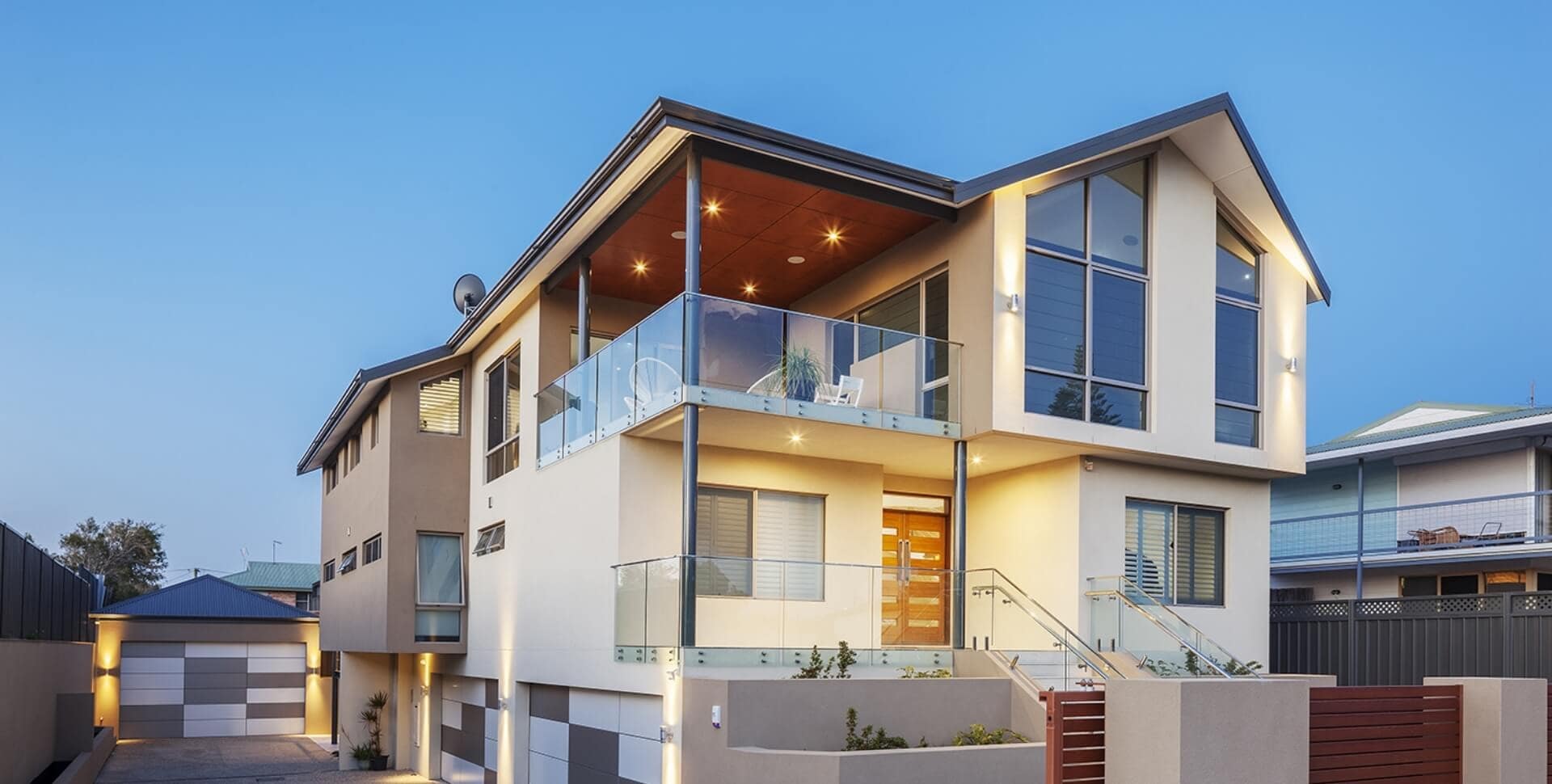
Home design trends in 2026 all come down to intention. Every decision, whether it’s layout, material or technology, is made to enhance comfort, support sustainability, and reflect the people who live there.
At Makin Homes, we are homebuilders in Mandurah who specialise in custom home design and construction tailored to Western Australia’s landscape. If you’re planning a new build or wanting to renovate your existing home, we can help bring these trends to life in a way that suits your needs, vision and lifestyle.
Ready to take the next step? Explore our recent projects for inspiration or get in touch with our team to start planning your custom home.
Frequently asked questions
How long does it take to build a custom luxury home in Western Australia?
Most custom homes take between 12 and 18 months from design to completion. More complex or sustainability-focused builds may take up to 24 months. The design and approval process usually takes 3 to 6 months.
What are the key home design trends going to be for 2026?
Key home design trends for WA homes include passive design principles, rammed earth construction, all-electric systems, and seamless indoor-outdoor living. These design choices respond to the region’s hot summers, coastal winds, and lifestyle-focused living.
Can I include these home design trends in a renovation instead of a new build?
Yes. Many 2026 home design trends, such as improved insulation, smart home systems, updated materials, and reconfigured layouts, can be integrated through a thoughtful renovation.