The quick version:
- A custom luxury home in WA typically takes 12–24 months from initial consultation to handover
- The pre-construction phase (design, approvals, permits) accounts for 6–12 months of that timeline
- Physical construction generally runs 10–15 months, depending on complexity
- WA’s double-brick construction method is more labour-intensive than timber framing used elsewhere in Australia
- The current skilled trades shortage—particularly bricklayers—has normalised longer build times compared to pre-2020
It’s the question everyone asks first: how long will this actually take?
If you’re planning to build a custom home in Western Australia, you need a realistic answer—not a marketing promise designed to get you to sign. Your timeline affects when you can sell your current property, when leases need to end, and when life in your new home can finally begin.
The honest answer is that a custom luxury home typically takes between 12 and 24 months from your first design consultation to receiving the keys. That range exists because every project is different. A straightforward single-storey on a flat block will move faster than a complex two-storey canal home requiring engineering for waterfront setbacks.
What matters most is understanding where that time goes—and why rushing certain phases creates problems that cost far more than patience ever would.
The two phases every build must complete
Every home build, regardless of size or complexity, moves through two distinct phases: pre-construction and construction. Understanding this division helps set realistic expectations from day one.
Pre-construction (6–12 months) encompasses everything that happens before a single shovel hits dirt: design development, interior selections, structural engineering, energy compliance modelling, and navigating council approvals. This is where your home is planned, de-risked, and optimised. Rushing this phase is the primary cause of budget blowouts and construction delays.
Construction (10–15 months) covers the physical build from site preparation through to handover. In WA, this phase is longer than in other Australian states because of our preference for double-brick construction—a method that delivers superior durability and thermal performance but requires significantly more skilled labour than lightweight timber framing.
Pre-construction: The work you can’t see
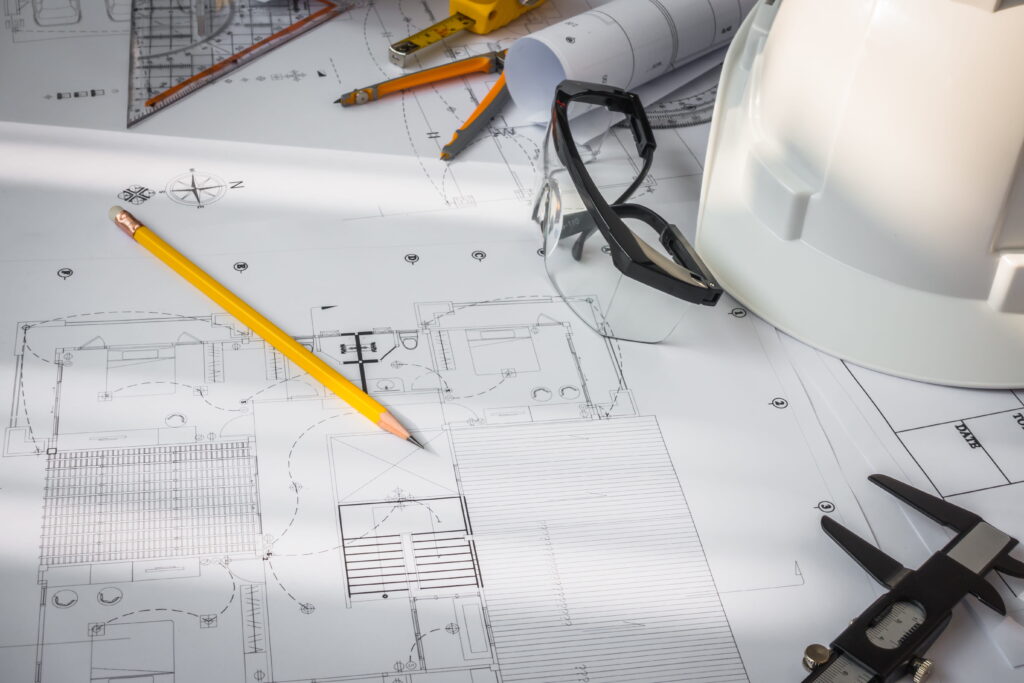
For many people, the most frustrating part of the building journey is the time before anything visible happens. But this “invisible work” is where success is planned.
Design development (3–6 months)
Unlike choosing from a catalogue of pre-set floor plans, a custom home design starts with your lifestyle. How does your family actually live? Do you entertain frequently? Need acoustic separation for teenagers or a home office? Require multi-generational living zones?
This phase involves site analysis (understanding orientation, views, wind exposure, and any specific challenges like canal setbacks), developing concept sketches, refining layouts through multiple iterations, and constantly checking the design against your budget. It’s iterative by nature—and that iteration is what ensures you won’t regret decisions later.
Selections and pre-start (2–4 months)
This is where you choose every finish: tiles, tapware, door handles, roof tiles, brick colours, cabinetry laminates, benchtop materials. In a luxury build, this can take months as you visit showrooms and finalise bespoke choices.
The selections phase runs parallel with technical documentation—converting concept sketches into detailed construction drawings, completing structural engineering calculations, and modelling energy efficiency to meet NatHERS requirements.
Council approvals and building permit (2–6 months)
This stage is largely outside your builder’s direct control and represents the greatest variable in pre-construction timing.
Planning approval (Development Approval) determines whether your development is permitted on your land—checking setbacks, height limits, privacy considerations, and plot ratio. In Mandurah, canal homes almost always require planning approval due to specific waterway policies. Statutory timeframes are 60–90 days, but councils often issue Requests for Further Information that pause the clock.
The building permit follows, confirming technical compliance with structural, safety, and energy standards. Experienced builders use the Certified pathway (engaging a private Building Surveyor to issue a Certificate of Design Compliance), which typically achieves permit approval within 10 business days rather than the 25+ days of the uncertified route.
For a detailed breakdown of this process, see this guide to the building approval process in WA.
From slab to keys

Once the building permit is issued and finance formally approved, physical construction begins. This phase follows a linear progression called the “Critical Path”—certain tasks must be completed before others can start.
Site preparation and slab (4–7 weeks)
The site is cleared and a compacted sand pad installed—essential foundation work in WA’s sandy soils. For canal blocks or sloping sites, significant retaining work happens here, sometimes requiring vibration monitoring to protect neighbouring properties.
Plumbing pre-lays (waste pipes that sit under the slab) are installed and inspected. Then the slab is poured and must cure for at least one to two weeks before bricklayers can begin loading materials onto it. Premature loading can crack the foundation.
Brickwork—plate height (8–12 weeks)
This is the most visually dramatic phase and also the most labour-intensive. Unlike timber frames that can be erected in days, WA’s double-brick walls are laid course by course by hand. A typical double-storey luxury home requires tens of thousands of bricks.
The industry-wide bricklayer shortage hits hardest here. Volume builders with hundreds of active sites may see homes sitting idle for weeks waiting for a bricklaying team. Custom builders with long-term trade relationships maintain steadier progress because their teams know consistent, quality work is available.
For two-storey homes, a suspended concrete slab is poured for the upper floor after ground-level brickwork completes. This requires formwork, steel reinforcing, pouring, and a mandatory 21-day curing period before upper brickwork can commence.
Roof cover (4–6 weeks)
Carpenters construct the roof frame (timber or structural steel), then roofing material—typically Colorbond or clay tiles—is installed. Once the roof is on and gutters installed, the home is “weatherproof.” This critical milestone allows internal trades to begin work regardless of external weather conditions.
Lock-up (4–8 weeks)
Windows and doors are installed—often commercial-grade frames or double glazing in luxury homes, which are heavy and require precise installation. The home can now be physically locked.
Electricians and plumbers return to “rough in”—cutting channels into brick walls to run conduits, wires, and pipes. Internal walls are then plastered, a wet trade that introduces significant moisture. The plaster must dry completely before painting, a process that takes longer in winter.
Fit-out (8–12 weeks)
This is the finesse stage where the timeline slows to ensure quality. Custom kitchens, sculleries, robes, and vanities are installed. Wet areas are waterproofed (a critical inspection hold point). Tiling, stone benchtops, cornices, skirtings, architraves, and doors follow.
In a custom home with floor-to-ceiling tiling or intricate patterns, this phase takes significantly longer than a standard build—but the result justifies the time.
Practical completion and handover (4–6 weeks)
Final trades complete painting, carpet installation, flyscreens, paving, and landscaping. You’ll conduct a Practical Completion Inspection with your builder, noting any defects for rectification before final handover.
What can extend your timeline
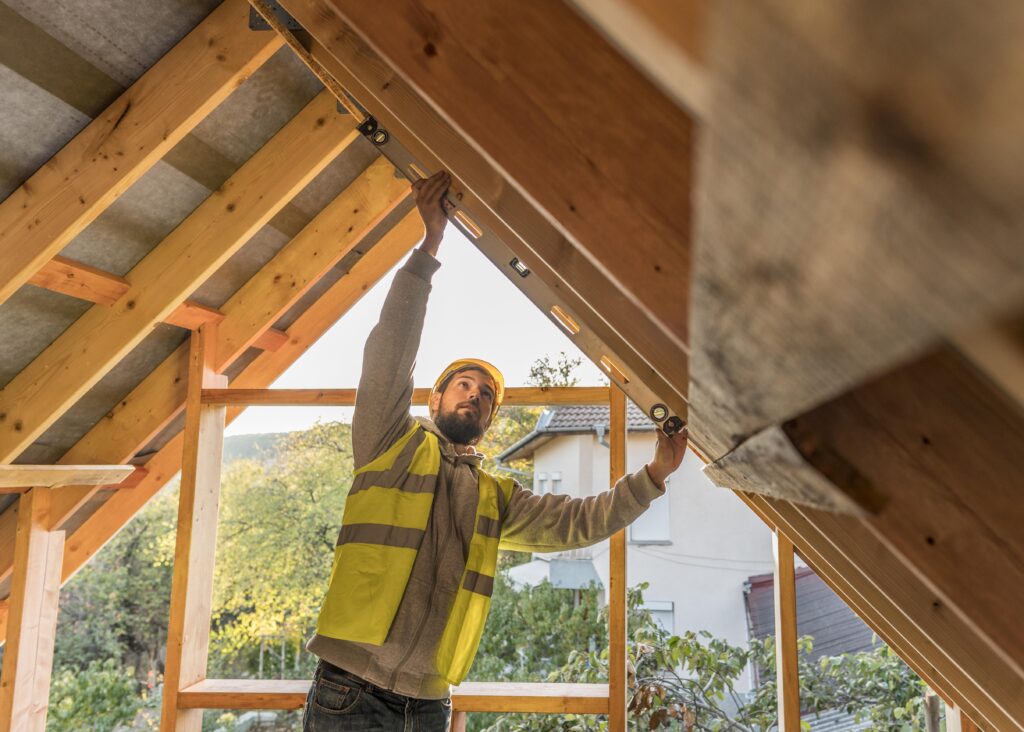
While the stages above provide a framework, several factors create variance in real-world projects.
Site Conditions
Canal blocks in Mandurah add complexity—high water tables may require dewatering during excavation, engineering requirements for wind loading are higher, and cranes may be needed if street access is restricted. Soil conditions like peat or clay pockets require specialised foundations.
Design Complexity
A simple rectangular footprint builds faster than a home with cantilevered balconies, curved walls, or commercial-grade glazing suites. Bespoke materials with long lead times (some high-end appliances require 3–6 months) can pause progress if not ordered early.
Weather
WA’s Mediterranean climate impacts construction seasonally. Winter frontal rains delay earthworks and bricklaying (fresh mortar washes out). Summer heat exceeding 40°C affects concrete curing and worker safety. Coastal winds can halt crane operations.
Client Variations
Changing a wall location, adding power points, or moving windows after brickwork starts isn’t simple. It requires demolition, re-ordering materials, re-scheduling trades, and administrative rework. A straightforward change can pause a site for two weeks or more. Getting decisions right during pre-construction—rather than changing your mind mid-build—is the single best way to protect your timeline.
Understanding these realities helps explain why avoiding common building mistakes starts with thorough planning before construction begins.
Volume builders vs custom builders: Why timelines differ
Volume builders often market “fast” timelines—sometimes quoting 8–10 months. Understanding their business model explains why these promises frequently disappoint.
Volume builders operate on economies of scale, offering catalogues of pre-designed floor plans with limited customisation. Their supervisors typically manage 20–30 sites simultaneously, leading to a “tick-and-flick” approach to quality control. When a bricklayer becomes unavailable, sites sit idle. When a window supplier delays shipment, schedules collapse.
Custom home builders focus on bespoke design and deliberately limit their project volume. With fewer sites to manage, problems are identified and solved in real-time—preventing minor issues from compounding into major delays. Direct builder involvement means adjustments can happen quickly rather than waiting weeks for a roving supervisor to notice a problem.
The “slower” custom timeline of 12–24 months is often the smoothest and most reliable path to a quality outcome. For more on this distinction, explore the difference between custom home builders and volume builders.
How Makin Homes can help
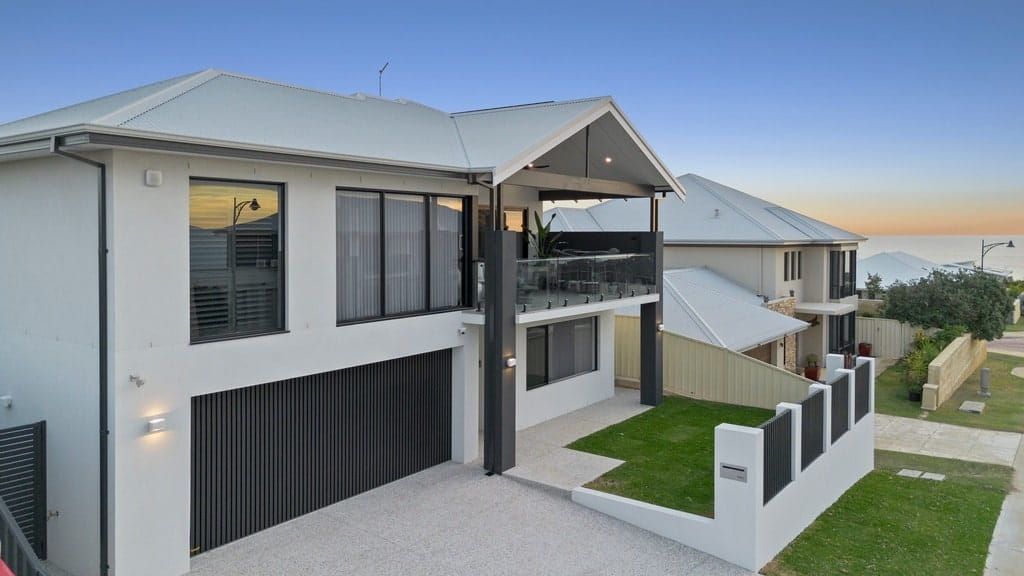
At Makin Homes, we deliberately build a maximum of 10 homes per year. This isn’t a limitation—it’s a choice that ensures every project receives genuine attention rather than becoming another number in a spreadsheet.
Our eight-step process front-loads decisions, forcing detailed selection and design work before construction begins. This eliminates the “decision fatigue” and mid-build delays that plague other projects. We also offer something virtually unheard of in the volume building sector: a fixed handover date guarantee—we pay you if we run over the agreed contract period.
Regular on-site meetings (typically twice weekly) mean you see progress firsthand and can ask questions in real-time. You speak directly with your builder, not an admin team acting as a buffer.
If you’re ready to understand exactly what your building timeline will look like, book a consultation with our team to discuss your site, your vision, and a realistic pathway to your finished home.
Frequently asked questions
Can I speed up the building process?
The physical construction has a natural rhythm—concrete must cure, waterproofing must set, plaster must dry. Rushing these chemical processes compromises quality and creates defects. However, you can speed up pre-construction by being decisive during design, having finance pre-approved, and responding promptly to your builder’s queries.
Why do council approvals take so long?
Councils assess applications against complex regulations—R-Codes, bushfire requirements, canal policies, neighbour consultation. If your design seeks variations (setbacks, height, privacy), it triggers discretionary assessment. A fully compliant “Deemed-to-Comply” design processes faster than one seeking multiple variations.
What happens if it rains for a month?
Significant weather events are considered “inclement weather” and are valid reasons for timeline extension under HIA contracts. Experienced builders anticipate seasonal patterns—scheduling roof cover before winter where possible—to minimise weather impact.
How does building compare to buying established?
Buying an established home typically takes 3–6 months (search plus settlement). Building takes 18–24 months. The time investment is significant, but the payoff is a home with zero immediate renovation requirements, full warranty protection, high energy efficiency, and a design that fits your lifestyle precisely.
Is 2025–2026 a good time to build in WA?
Yes. While trade markets remain tight, the industry has stabilised compared to the volatile post-COVID years. WA’s Housing Industry Association Housing Scorecard ranks it as Australia’s strongest home building market. Waiting for prices or timelines to drop significantly may result in paying more for land later, negating any construction savings.