The quick version:
- Every builder working on residential projects over $20,000 in WA must be registered with the Building Services Board. Verify this before any conversation goes further.
- A portfolio that impresses on Instagram isn’t the same as a portfolio that matches your vision in reality. Look for builds similar in scale, style, and finish to what you’re planning.
- How a builder communicates during the sales process is a direct preview of how they’ll communicate during your build.
- Fixed-price contracts protect you from budget blowouts; cost-plus contracts can leave you exposed if timelines extend or material costs shift.
- Local knowledge in Mandurah and Rockingham isn’t a bonus. Council requirements, sandy coastal soils, and block conditions vary significantly from suburb to suburb.
Choosing a custom home builder in WA is one of the biggest decisions you’ll make. For most people, it also happens to be one they’ve never made before.
That’s the part most people only work out as they go. You’re comparing builders without a reference point, weighing up options you’ve never had to weigh before, and committing to a relationship that will last the better part of two years. Knowing what to look for in a home builder changes that completely, and makes the whole experience a lot more enjoyable.
This guide is for WA homeowners who are actively comparing builders and want to know what actually separates a premium custom builder from one that looks the part. Not a generic checklist, but specific signals, real questions, and the red flags that people often miss until it’s too late.
Why Choosing the Right Builder in WA Is a Decision That Deserves Real Research
Choosing a builder in WA is one of those decisions that feels simple until you’re actually in it, and that’s because WA’s residential building industry is large and varied. At any given time, there are dozens of builders operating across the Perth metro area and the Peel region. They range from large volume builders running hundreds of sites simultaneously to boutique custom builders working on a handful of projects at once.
That scope matters because the experience, and the outcome, differs greatly depending on which end of that spectrum your builder sits on.
Custom home building, by definition, involves a higher degree of personalisation, more complex design decisions, and tighter collaboration between client and builder. That requires a different kind of operation than a volume model. The right builder for a bespoke luxury home in Mandurah isn’t simply the one with the most recognisable name or the longest list of display homes.
Start With Licensing: What to Check Before Anything Else in WA
In Western Australia, any builder carrying out residential work valued over $20,000 must be registered with the Building Services Board under the Building Services (Registration) Act 2011. Registration comes in two forms: building practitioner registration (which allows someone to supervise building work) and building contractor registration (which allows a business to contract directly with clients).
To legally take on your project and enter a building contract with you, contractor registration is the required credential. This isn’t a technicality; it’s the baseline protection you have as a consumer.
Verification is straightforward. The Building Commission of Western Australia maintains a public register of all registered building contractors and practitioners, searchable online. Look up any builder you’re seriously considering before you go any further.
You’ll also notice that reputable builders display their registration number clearly. Makin Homes carries Builders Registration No. BP11576, which is visible in the footer of every page on our website. If you encounter a builder who’s cagey about theirs, that’s worth noting.
Beyond registration, check whether they’re a member of an industry body such as the Housing Industry Association (HIA) or Master Builders WA. Long-standing membership indicates a commitment to professional standards and ongoing industry engagement. Makin Homes has been a proud HIA member for 20 years.
How to Read a Builder’s Portfolio (and What Most People Miss)
Every builder worth considering for a custom home has a portfolio. The question isn’t whether the work looks good, but whether it aligns with your project vision.
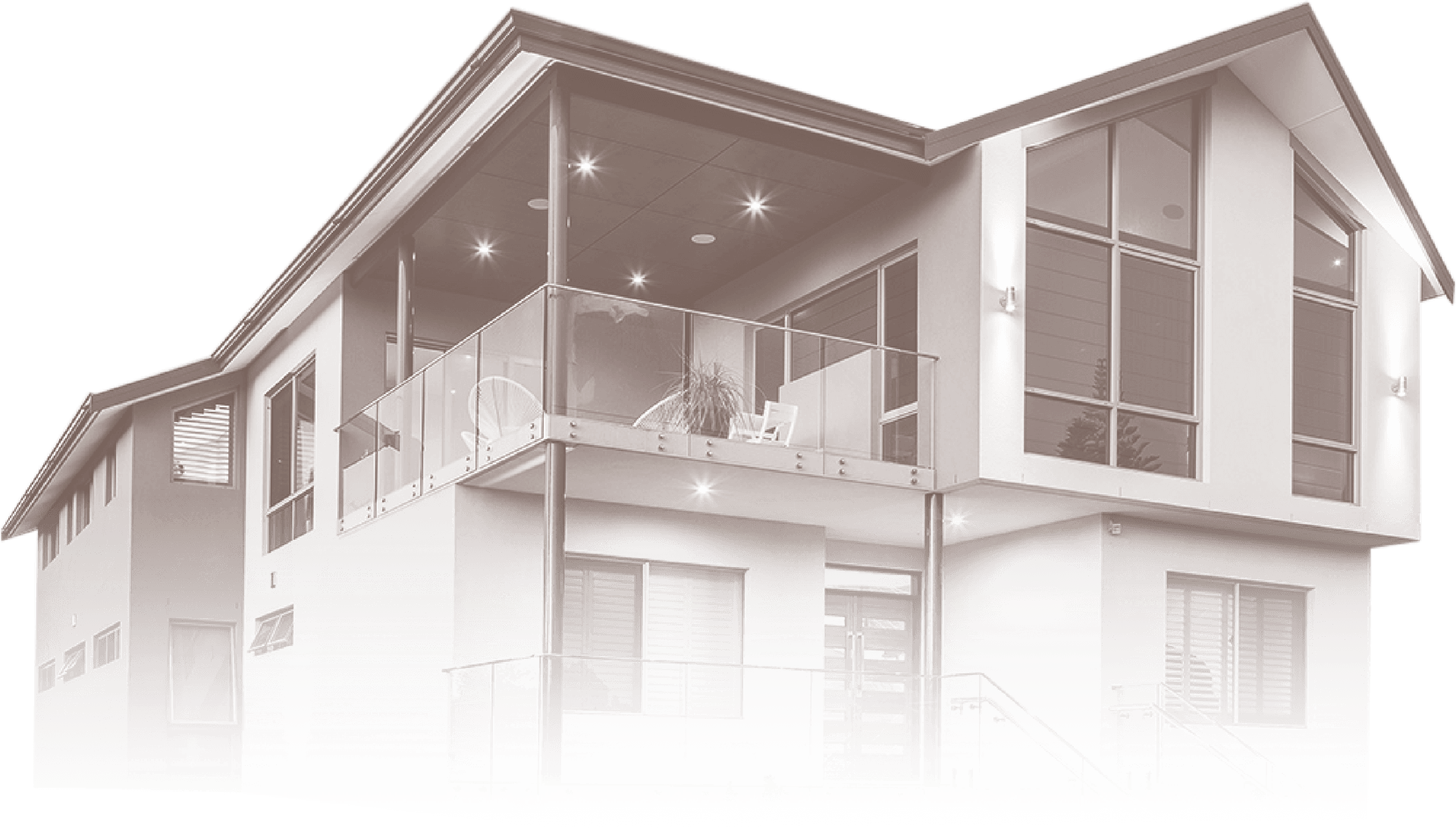
A builder who specialises in single-storey project-style homes and a builder who regularly delivers three-storey luxury residences with bespoke finishes are operating in different territories. An impressive portfolio in the former doesn’t tell you much about capability in the latter.
When you’re reviewing a builder’s past work, look for:
- Builds that match your intended scale. Single-storey, double-storey, and three-storey homes involve different structural, design, and project management considerations. You want a builder with demonstrated experience at your level of complexity.
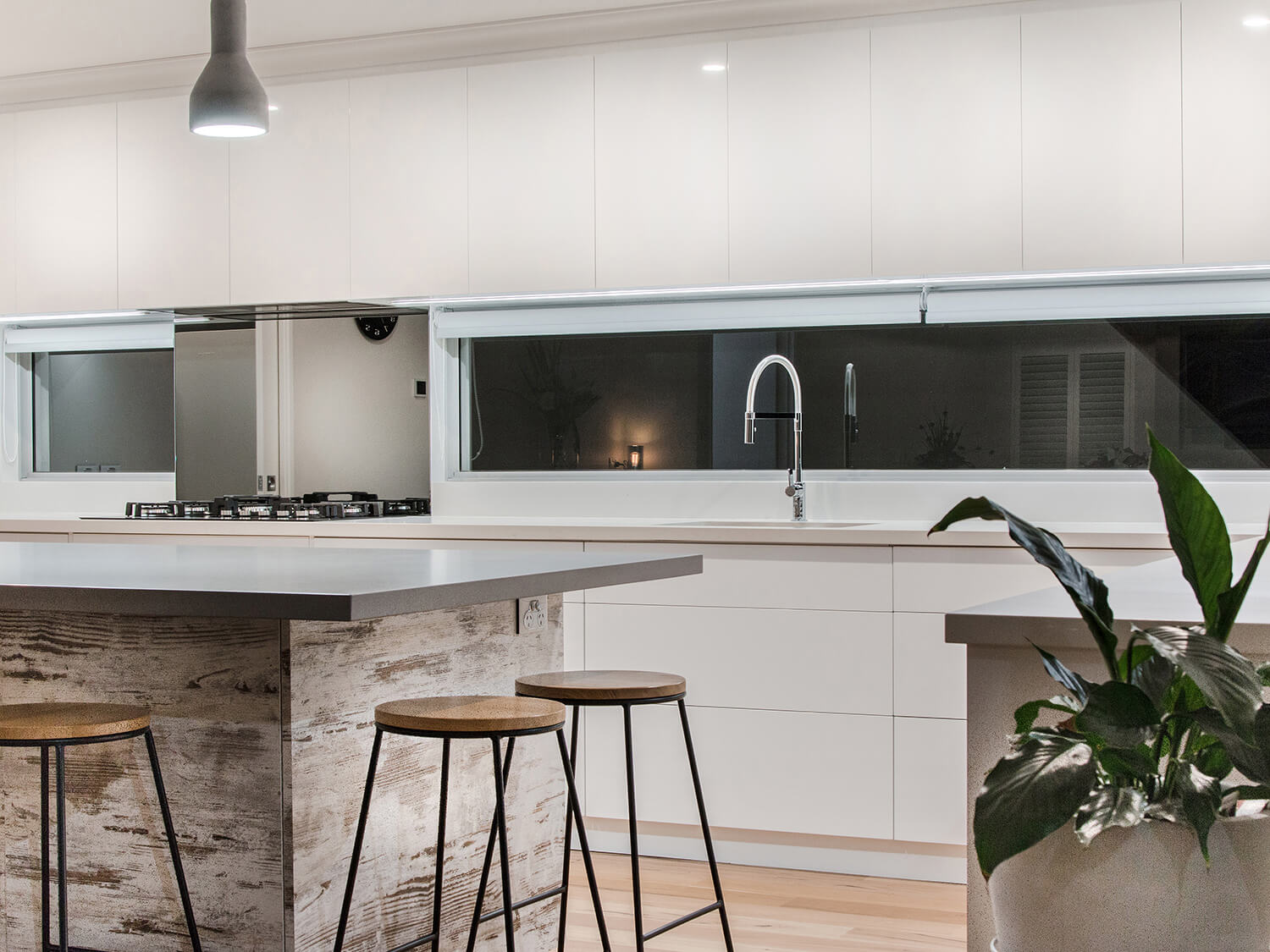
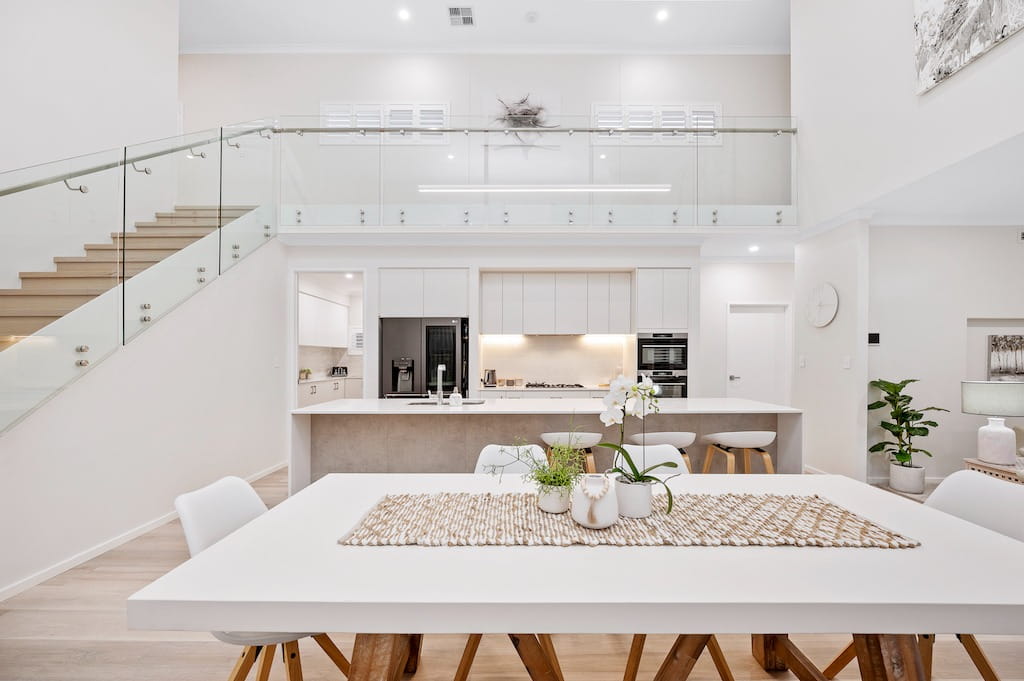
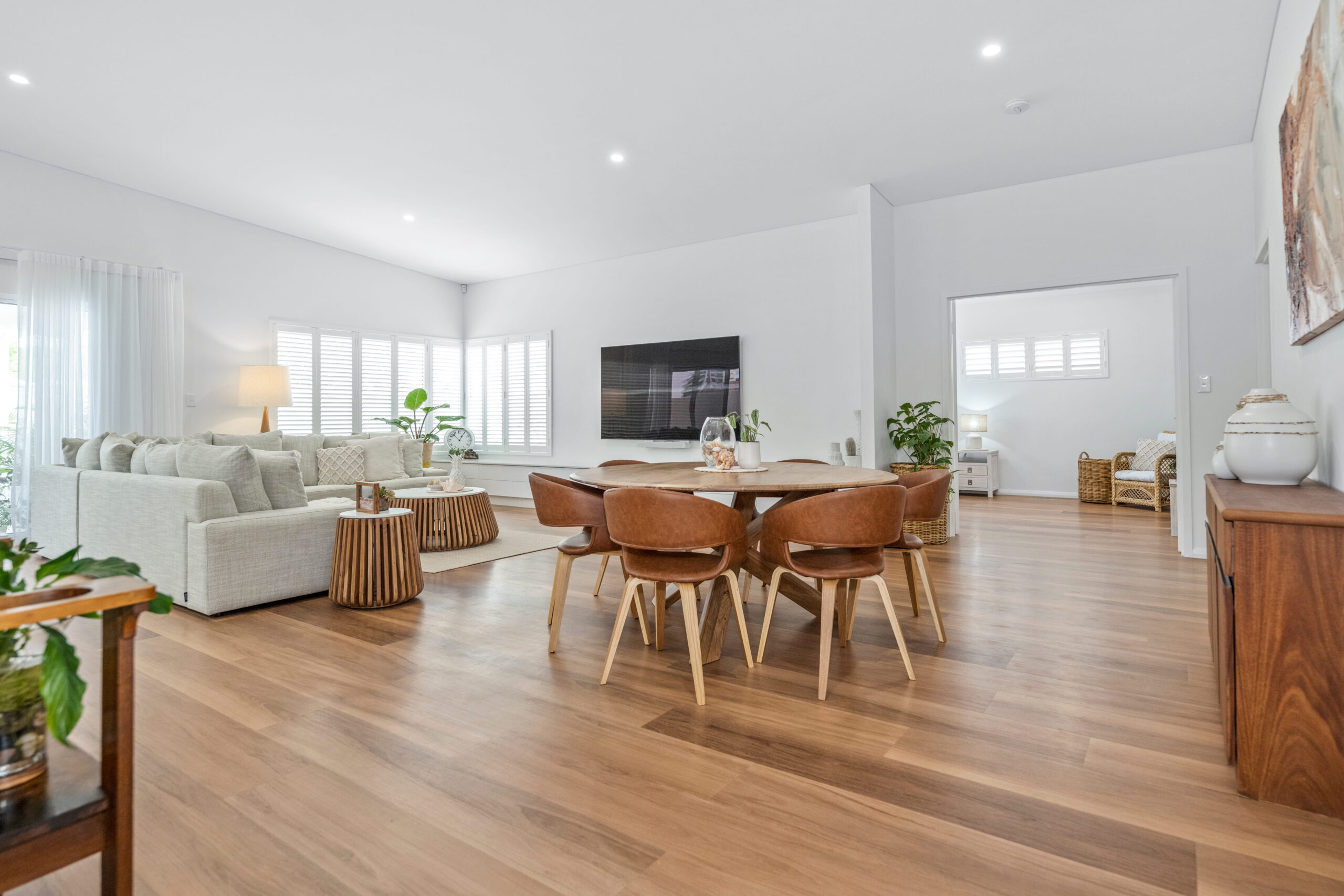
- Finishes and specifications similar to yours. High-end joinery, premium stone benchtops, and engineered timber floors aren’t standard inclusions on most builds. If your plan calls for them, find evidence that the builder has delivered them before.
- Local builds where possible. A builder with completed homes across Mandurah and Rockingham has worked through the specific challenges of those areas, such as council requirements, block characteristics, and local trades, in ways that a builder new to the region hasn’t.
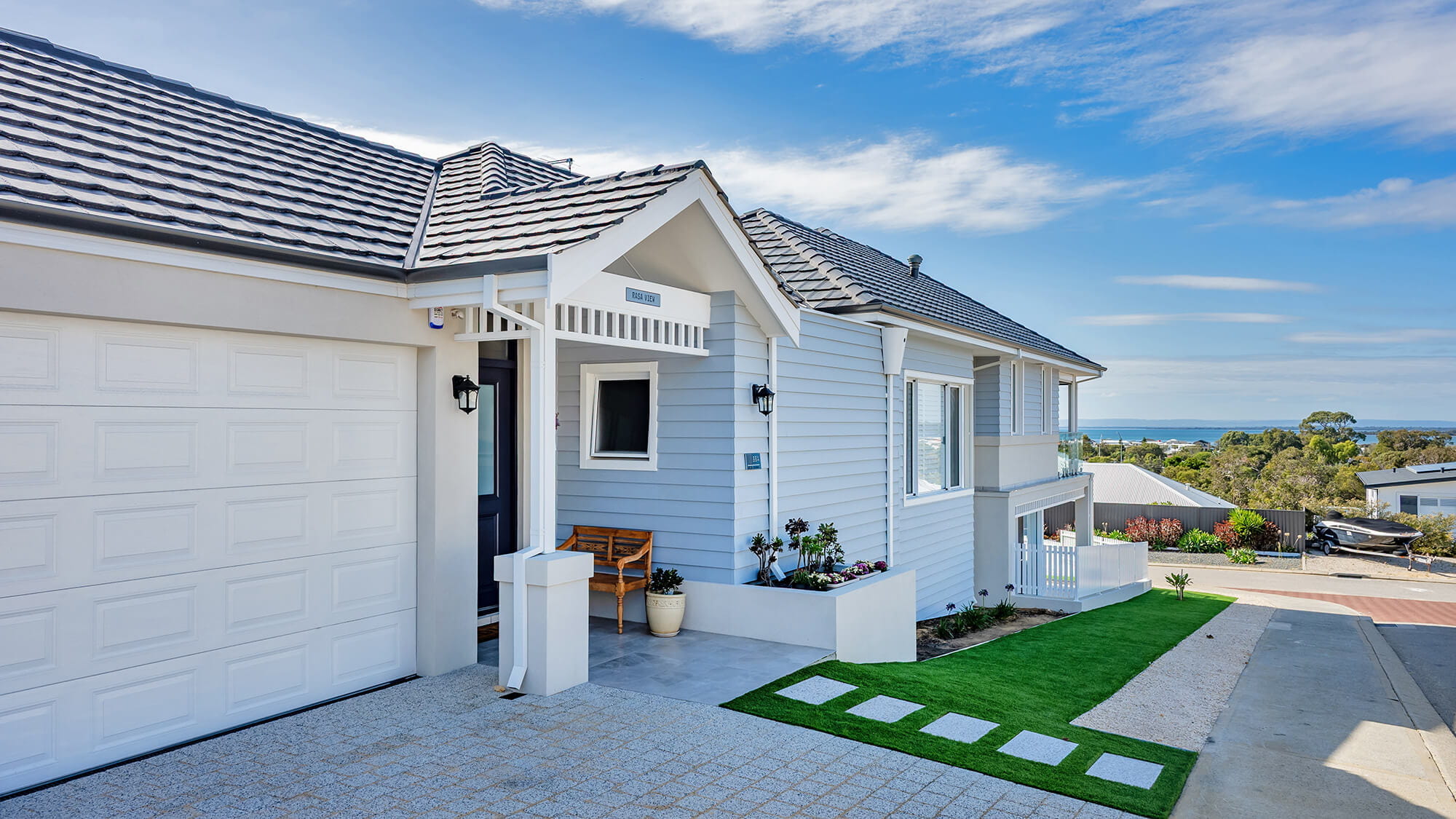
At Makin Homes, the completed homes across Mandurah and Rockingham reflect the range of what genuine custom building looks like. That includes distinct design directions, varied block types, different storey configurations, and a consistent level of finish throughout.
The Communication Test: What the Sales Process Tells You About the Build
Pay close attention to how a builder communicates with you before you’ve signed anything.
For instance, do they return calls promptly? Are their answers clear, or do they tend to hedge and redirect? Do they explain their process in a way that gives you confidence, or does everything feel a little vague until contracts are on the table?
The sales process is your first real window into how a builder operates, and attentive, transparent communication at this stage is a strong indicator of how the rest of the relationship will run going forward.
A builder who is sincerely set up for custom work will typically assign you a clear point of contact, explain exactly who manages your project on-site, and be able to walk you through their design and build process in a way that makes the whole journey feel considered rather than rushed.
At Makin Homes, our process runs across eight defined stages, from an initial conversation and in-office consultation through to preliminary planning, a fixed price proposal, full documentation, building approval, construction, and handover. Every step is mapped out before you commit to anything, and you meet directly with Company Director and Licensed Builder Lee Makin at the planning stage. That kind of structured clarity at the front end of a project is exactly what good communication looks like in practice.
Fixed Price vs Cost-Plus: Which Protects You as a Buyer?
Building contracts in WA generally fall into two categories, and understanding the difference is important before you sign anything.
A fixed-price contract locks in the total cost of your build based on agreed specifications. If material costs increase or the build takes longer than anticipated, those variations don’t automatically become your problem. You know what you’re paying before the first slab is poured.
A cost-plus contract charges you the actual cost of labour and materials plus an agreed margin for the builder. In theory, it can work well when the scope is uncertain. In practice, it transferred much of the financial risk from the builder to you. Without a fixed ceiling, budget overruns and can compound quickly.
For most custom home buyers, a fixed-price contract offers significantly more certainty and protection. The inclusions list that accompanies it matters enormously: every specification should be detailed and branded, not described vaguely as ‘quality fixtures’ or ‘to builder’s selection.’ If the contract lists unbranded products without model numbers or specifications, that’s an invitation for corners to be cut. At Makin Homes, the fixed price proposal is prepared in full before contract signing, and the team walks you through every detail and inclusion before you put pen to paper.
Red Flags to Watch for When Choosing a Custom Home Builder
A few warning signs tend to appear repeatedly in building disputes and disappointing project experiences. These may include, but aren’t limited to the following.
Vague inclusion lists
If the contract doesn’t specify brands, product codes, and exact specifications for fixtures and fittings, you’re building on assumptions, which can turn into disputes down the line.
No named site supervisor
Early on, ask directly: who will supervise your build on-site, and how many other projects will they be managing at the same time? A supervisor stretched across 20-plus sites can’t give your build the attention it requires. A custom builder typically limits supervisor workload significantly. It’s one of the structural distinctions between custom and volume building, which is worth understanding in detail before you commit.
If you want to know exactly how those two models differ before you start comparing builders, our breakdown of the difference between custom and volume builders is a good place to start.
Pressure to sign quickly
A reputable builder should want you to feel calm and certain before you commit. If there’s urgency from their side, treat that as a signal worth scrutinising. Examples range from a ‘this week only’ price, or a suggestion that your spot will be filled. Your confidence in the decision matters more than their timeline.
Questions to Ask Every Builder Before You Sign
These are the questions that separate an assured decision from one you piece together after the fact. Screenshot this list and take it to every builder meeting:
- Are you registered as a building contractor with the Building Services Board in WA, and can I see your registration number?
- How many projects will my site supervisor be managing at the same time as my build?
- Can you show me completed homes you’ve worked on that are of similar scale and specification to what I’m planning?
- Is this a fixed-price contract, and what does the inclusions list specify in terms of brands and product codes?
- What does your design process look like from initial brief to signed contract? Will I see a 3D walkthrough before I commit?
- Who is my direct contact throughout the build, and what are your response time commitments?
- Can you provide references from clients whose homes are similar to mine?
- How do you handle variations during the build, and what’s the process for approving cost changes?
These shouldn’t be viewed as confrontational questions. Any builder operating with integrity should answer them without hesitation.
Why Local WA Expertise Matters More Than You Might Think
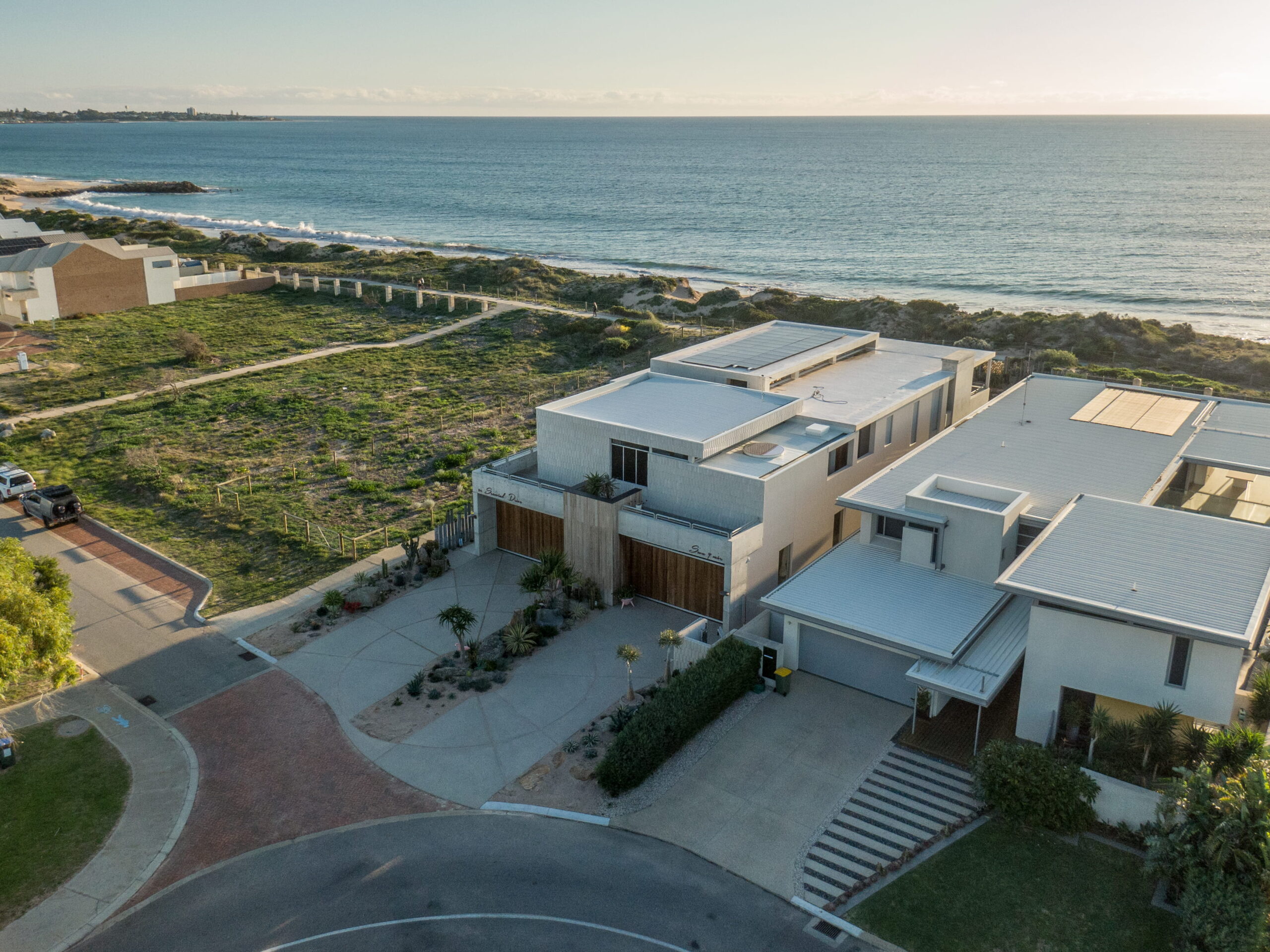
Building in Mandurah and the Rockingham corridor isn’t the same proposition as building in Perth’s northern suburbs or in outer metropolitan areas to the east.
The Peel region has its own council planning requirements and approval processes that a builder unfamiliar with the area will need to learn in real time on your project. Needless to say, that isn’t an ideal situation for you or them. Coastal and canal-adjacent blocks bring soil and foundation considerations that don’t apply in most Perth suburbs. The Fremantle Doctor, the afternoon sea breeze that cools much of the southern metropolitan coast, can be designed for or ignored. The difference shows up in how comfortable your home feels to live in year-round.
A builder who has delivered multiple homes in Mandurah and Rockingham has navigated these site conditions before. They know which council requirements necessitate early engagement, which soil classifications demand additional engineering, and how orientation and glazing decisions translate into a real comfort on a coastal block. That kind of accumulated local knowledge doesn’t appear on a licence certificate, but it shows up in the quality and nuance of the homes that they build.
To understand more about what building specifically in this region involves, and the missteps to avoid before you start, our guide on mistakes to avoid when building a new home is a useful read alongside this one.
Ready to Find the Right Builder for Your Dream Home?
Choosing a custom home builder in WA is one of the most significant investments you’ll make, and you deserve a business who treats it that way. When you find a builder who answers every question with clarity and backs it up with a portfolio you trust, the decision becomes a lot easier.
Book a consultation and we’ll walk you through our eight-step process to give you a clear picture of what building with us looks like from first meeting to handover. You can also keep up to dat with our current projects on our facebook page.
Frequently Asked Questions
How do I choose the best home builder for my project?
There’s no single answer; the best home builder for your project is the one whose experience, process, and communication style align with what you’re building and how you want to work. Start by verifying their registration, then look at whether their portfolio reflects builds similar to yours in scale and finish. From there, the conversation matters as much as the credentials. Carefully consider how they explain their process, who your direct contact will be, and whether they can give you a fixed-price contract with a fully detailed inclusion list. The questions above offer a practical framework to take into every builder meeting.
How do I know if a builder is reputable in WA?
Verify their building contractor registration on the Building Commission of Western Australia’s public register. Check for industry body membership (HIA or Master Builders WA). Ask for references from past clients with similar projects to yours, and look at completed homes (not just renders) before making a decision.
What’s the difference between a custom and a project home builder?
A project home builder works from a fixed catalogue of pre-designed floor plans with limited modification options. A custom home builder designs your home from scratch to suit your block, your lifestyle, and your preferences in big and small ways. The process, the level of personalisation, and the management model are fundamentally different, and what suits one person’s budget and vision won’t suit another’s.
Do I need a building contract in WA?
Yes. For any residential building work over $20,000, a written contract is a legal requirement in WA. It must be signed before work begins and should include a full scope of work, payment schedule, and detailed inclusions list. Never proceed without one.
How long does it take to build a custom home in WA?
Timelines vary depending on the complexity of the design, the size of the home, council approval timeframes, and site conditions. For a bespoke luxury home, the process from initial design through to handover typically spans 12 to 24 months. A reliable builder will give you a realistic timeline upfront, and explain the factors most likely to affect it.